
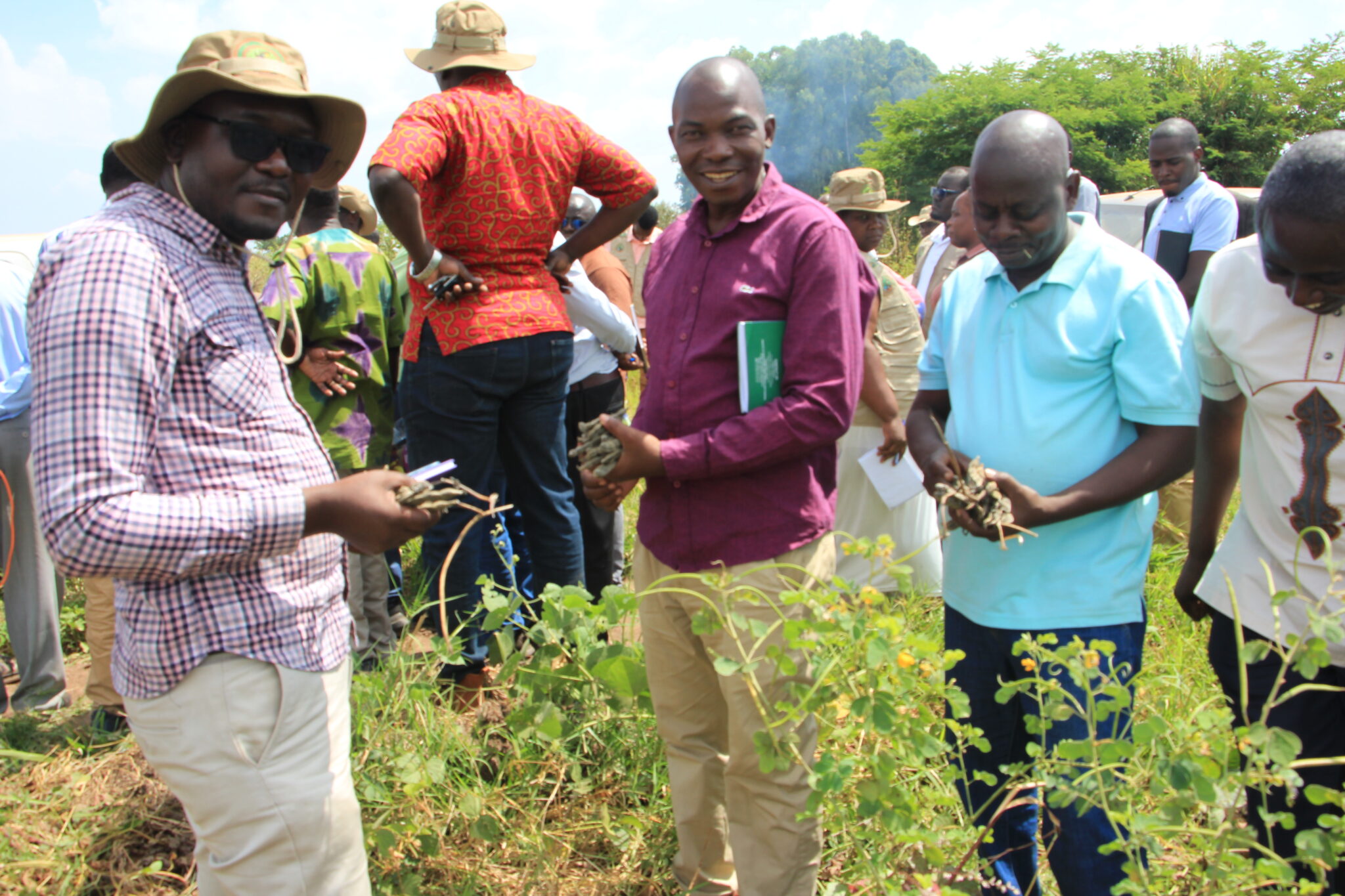

Stakeholders from the Ministry of Agriculture, Animal Industry and Fisheries (MAAIF) and the National Agricultural Research Organisation (NARO) convened at the National Semi-Arid Resources Research Institute (NaSARRI) for a strategic workshop aimed at conducting a comprehensive gap analysis in the implementation of the Climate-Smart Agriculture Project.
The meeting focused on identifying key intervention and investment opportunities that can enhance animal production, strengthen climate resilience, and improve farmer livelihoods.
The workshop was officially opened by the Director of NaSARRI, Dr. David Kalule Okello, who applauded the continued collaboration between National Agricultural Research Organisation (NARO) and Ministry of Agriculture, Animal Industry and Fisheries (MAAIF). He emphasized the importance of leveraging institutional partnerships to advance agricultural research, innovation, and sustainable development.
Dr. Kalule highlighted the critical role of crop-livestock integration in improving farmer productivity and household incomes.
There is a need to strengthen crop and livestock integration because it promotes zero waste among farmers. However, the institute still faces challenges including limited mechanization, inadequate paddocking networks, insufficient operational funds, and unreliable water facilities. These gaps affect sustainability and access to quality services,” he noted.
Speaking on behalf of the NaSARRI Advisory Committee, Chairperson Dr. Joseph Oriokot reaffirmed the institute’s commitment to promoting climate-smart agricultural technologies and innovations.
“As NARO, our mission is to boost productivity while addressing the growing challenges of climate change. We must continue exploring market opportunities and value addition to ensure economic growth and food security,” he emphasized.
Dr. Oriokot further stressed the importance of strengthening research and innovation systems through improved infrastructure, visibility, and strategic investments.
Forty years ago, information was accessed in libraries, but today information is everywhere and easily accessible. We must therefore position our research institutions to effectively deliver knowledge and innovations to farmers,” he added.
Project Principal Investigator and Programme Leader for Animal Production Research, Dr. Brian Bbigumira, highlighted key achievements already registered under the project. He noted that approximately 145 acres had been established for pasture seed multiplication, including Mucuna, Chloris, and Pachong pasture varieties.
The Climate-Smart Agriculture Project will empower farmers, especially youth and women, with the knowledge and skills needed to build sustainable and climate-resilient livelihoods,” he said.
Representing MAAIF, Dr. Deogratius Whoneka explained that the six-year project, funded by the World Bank, focuses on dairy, beef, and value addition. He acknowledged that infrastructure gaps and limited mechanization continue to hinder implementation, particularly during land preparation, planting, weeding, and harvesting.
Dr. Whoneka commended NaSARRI for its efficient use of limited resources and the tangible outputs already achieved.
NaSARRI is a promising centre for advancing this project. Despite limited funding, the institute continues to register impressive outputs. The collaboration witnessed here is essential for delivering meaningful results,” he said.
Dr. Whoneka was accompanied by Engineers Martin Tumuhereze and Vivienne during the engagement.
The workshop reaffirmed the commitment of stakeholders to strengthening climate-smart agriculture systems through research, innovation, infrastructure development, and strategic partnerships aimed at improving resilience and productivity in Uganda’s agricultural sector.