
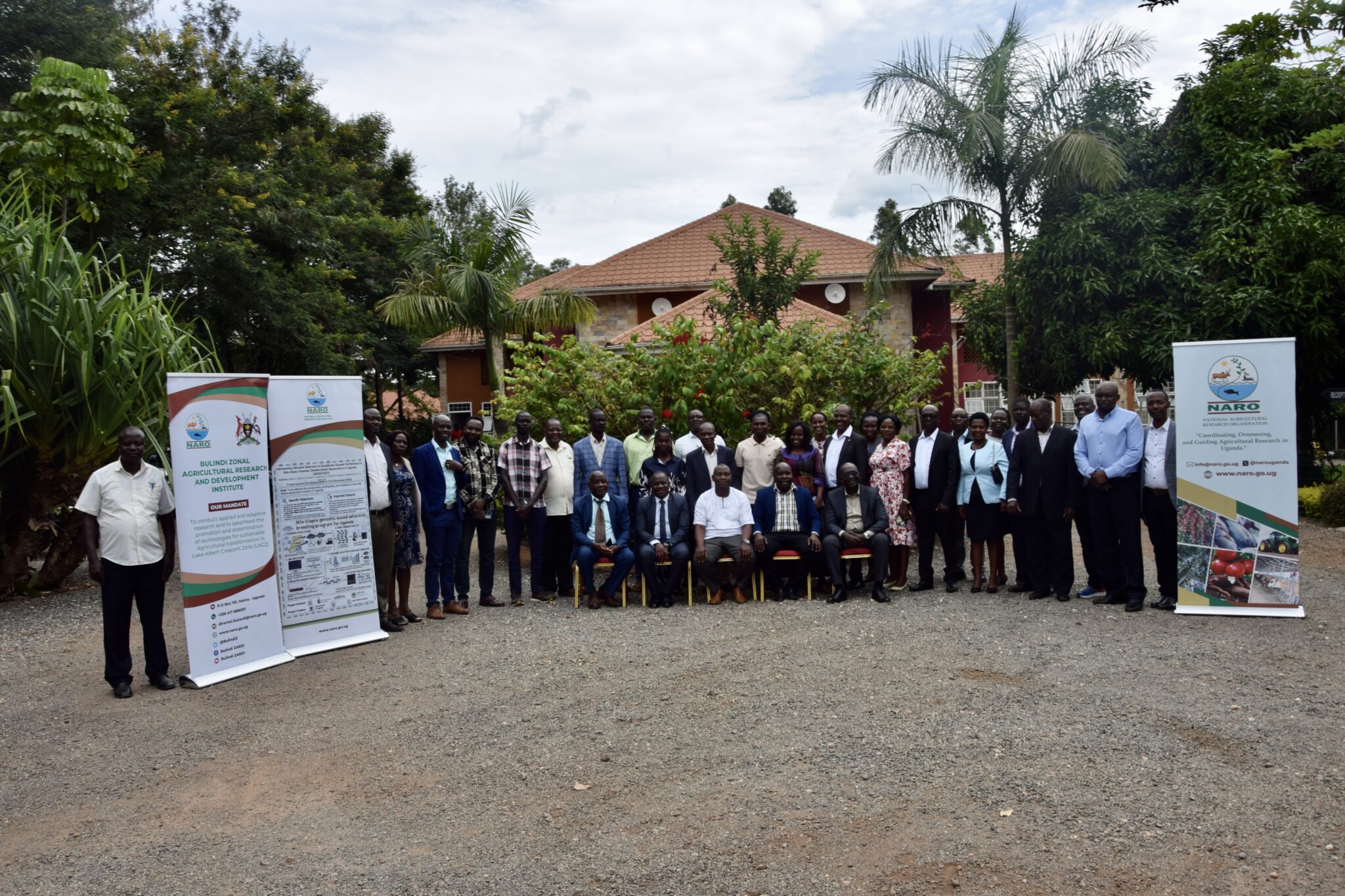

Bulindi Zonal Agricultural Research and Development Institute (BuZARDI) has launched a genomics-driven initiative to improve the growth performance of Nile tilapia while advancing climate-smart aquaculture in Uganda.
The project, known as ‘Harnessing Genetic Selection to Accelerate Growth Performance of Nile Tilapia Towards Climate-Smart Aquaculture in Uganda (GENEFAST),’ was unveiled during an inception meeting held on April 16, 2026, at Kabalega Resort Hotel in Masindi. The three-year initiative is funded under the Uganda Climate-Smart Agricultural Transformation Project, which is supported by the World Bank.
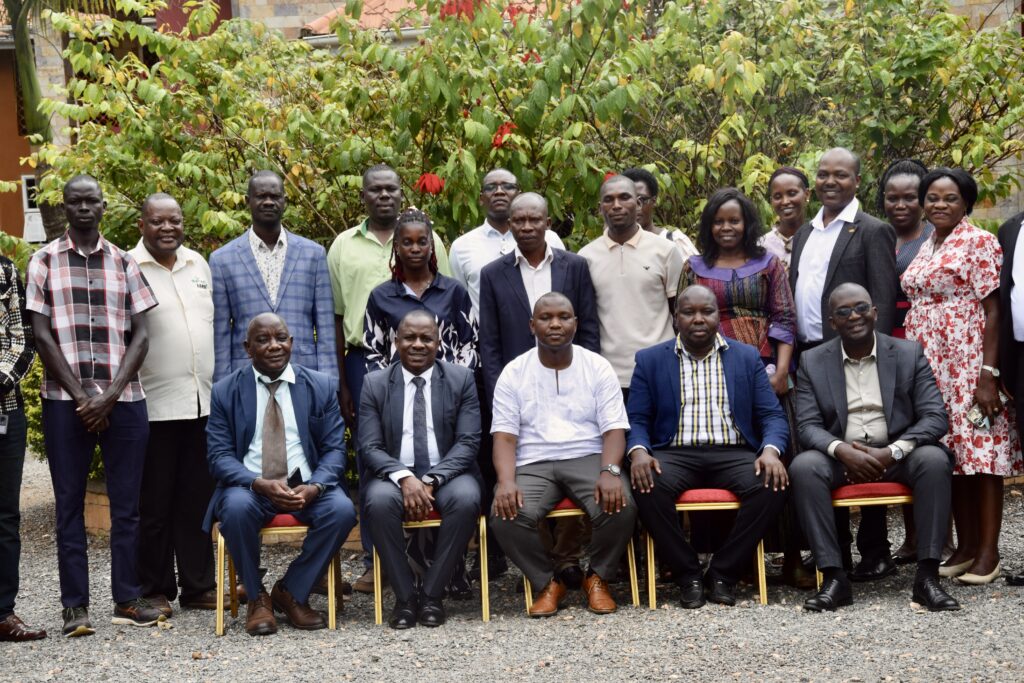
According to the Principal Investigator, Dr. Abaho Ivan, the project seeks to enhance both the growth rate and the resilience of Nile tilapia to climate variability. Nile tilapia is the most widely farmed fish species in Uganda and globally. He noted that about 75% of Uganda’s fish production comes from pond systems, yet many farmers continue to struggle with slow fish growth.
“Some farmers keep fish in ponds for up to two years without reaching market weight, which leads to significant economic losses,” Dr. Abaho explained. He added that extended production cycles also result in the accumulation of uneaten feed in ponds, contributing to increased greenhouse gas emissions.
Currently, Nile tilapia grows at an average rate of about 1.2 grams per day. Through the application of genetic selection, the GENEFAST project aims to double this rate to 2.4 grams per day, significantly shortening production cycles and improving farm productivity. Dr. Abaho emphasized that the project will collaborate closely with hatchery operators to ensure farmers can access improved broodstock.
Dr. Hillary Agaba, Head of Research Grants at the NARO Secretariat, welcomed the project’s collaboration with the Aquaculture Genomics Laboratory at the University of Chile, noting that such partnerships are vital for strengthening research capacity and driving innovation.
Mr. Oberu Charles from the Department of Fisheries and Aquaculture Development and Management at the Ministry of Agriculture, Animal Industry and Fisheries (MAAIF) expressed optimism that the project will contribute to Uganda’s target of producing one million metric tons of fish annually by 2030. Current production stands at approximately 130,000 metric tons.
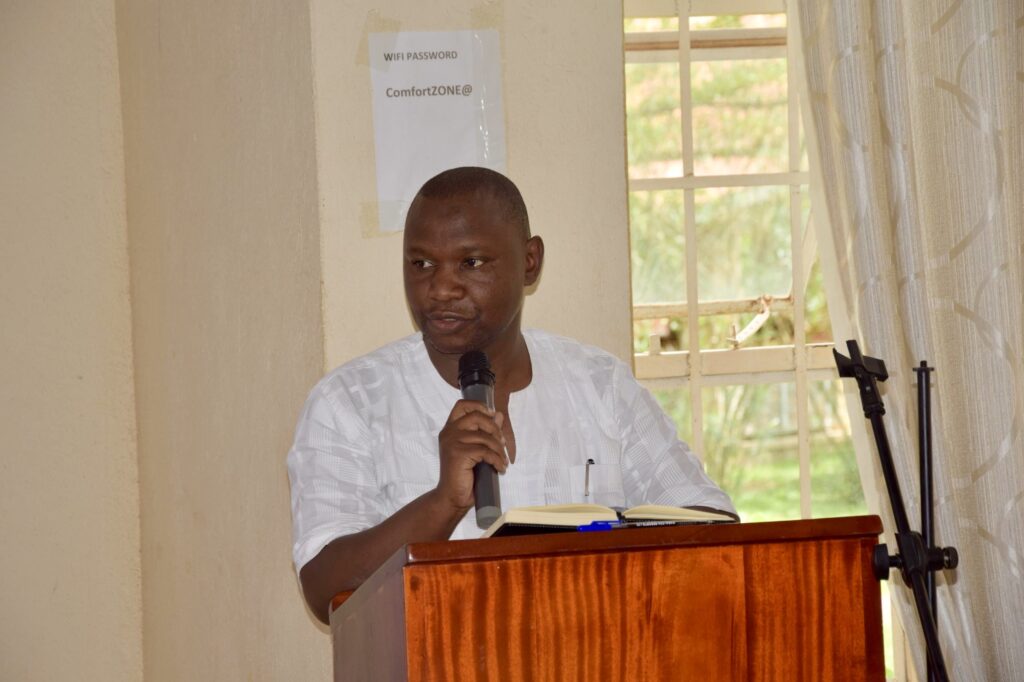
Presiding over the launch, Dr. Swidiq Mugerwa, NARO’s Deputy Director General for Research, said the project offers a strategic opportunity for Uganda to achieve two fish production cycles per year and position itself as a leading fish producer in Africa. He noted that Egypt currently leads the continent with about 2 million metric tons annually. Beyond faster growth, Dr. Mugerwa urged researchers to incorporate additional traits such as disease resistance and improved meat quality to enhance the overall value and competitiveness of Nile tilapia.