
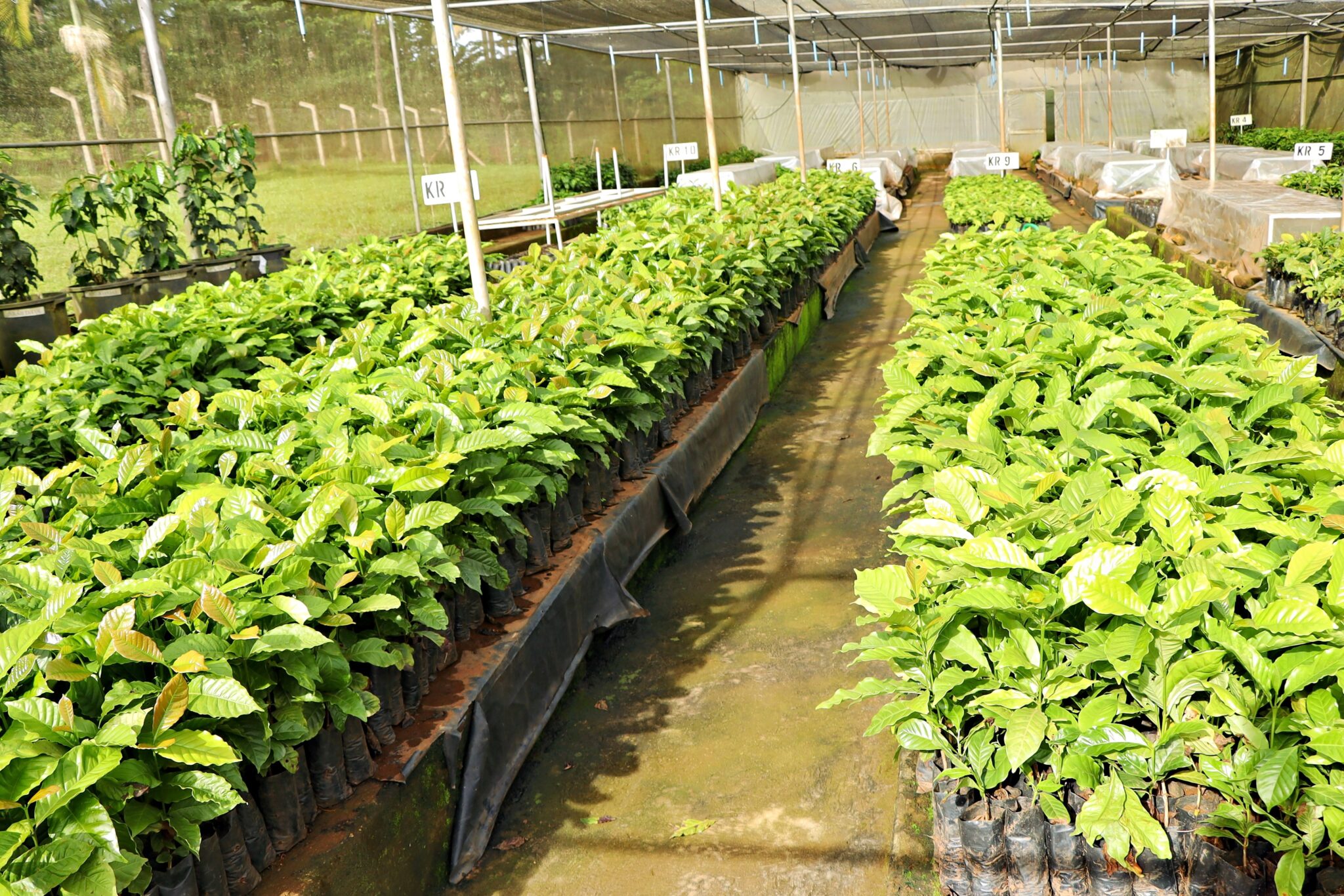

It is uncommon to complete a coffee farmer meeting, training or any interaction without complaints on; ‘fake’ seed, availability of planting materials. Farmers are struggling to find genuine coffee seedlings. Even when they find the seedlings, most times, they are expensive and farmers have to trek or drive long distances to get them. As a result, many coffee farmers have fallen victim to counterfeit suppliers, resulting in huge losses financially and in yields.
The National Coffee Research Institute (NaCORI) and its partners have set up a structured seed system designed to ensure that farmers can access reliable, affordable planting materials in time. This system is anchored in the National Coffee Seed System Project (NCSP), which focuses on producing and distributing improved coffee varieties across the country.
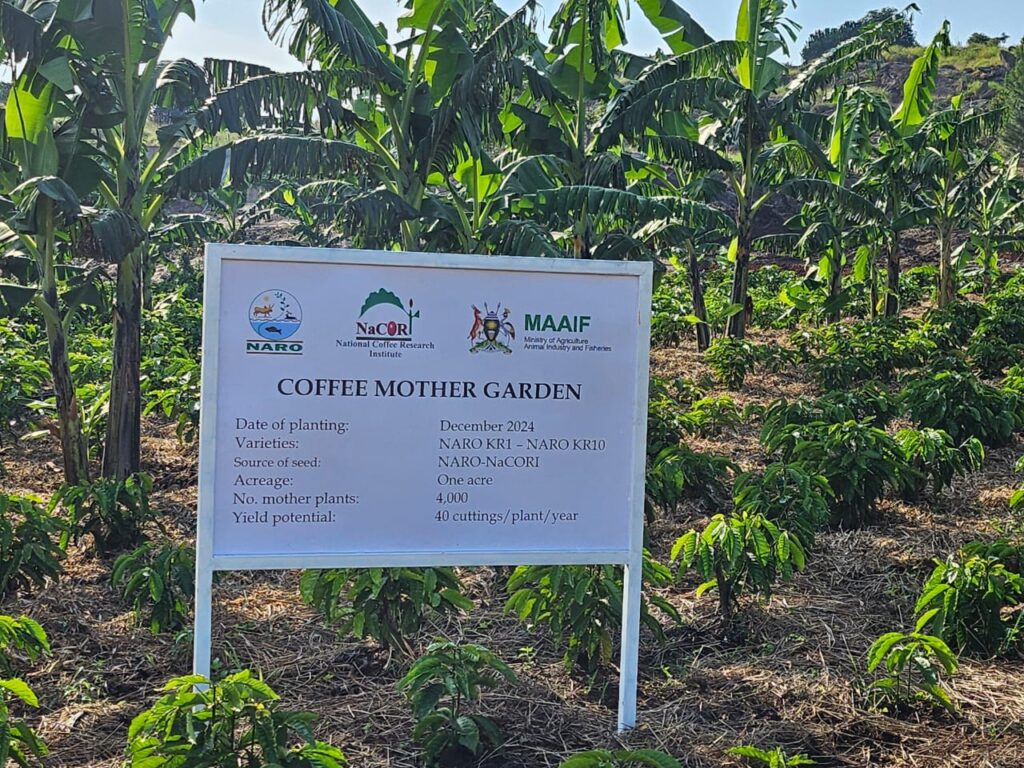
Building a national coffee seed system
Dr. Geoffrey Arinaitwe, the director research at NaCORI, says the current approach is a coordinated national system rather than isolated efforts, adding that it brings together different regions and institutions under one unified research strategy.
“What we have established is a national coffee research system anchored at NaCORI, we are no longer working in isolation. Our research is implemented across different regions through government research centres, ensuring that solutions are relevant to farmers’ conditions”, he explains.
According to Dr. Arinaitwe, this decentralised approach allows scientists to respond to Uganda’s diverse agro-ecological zones. Coffee grown in the highlands behaves differently from coffee grown in lowland areas, and research must reflect these differences.
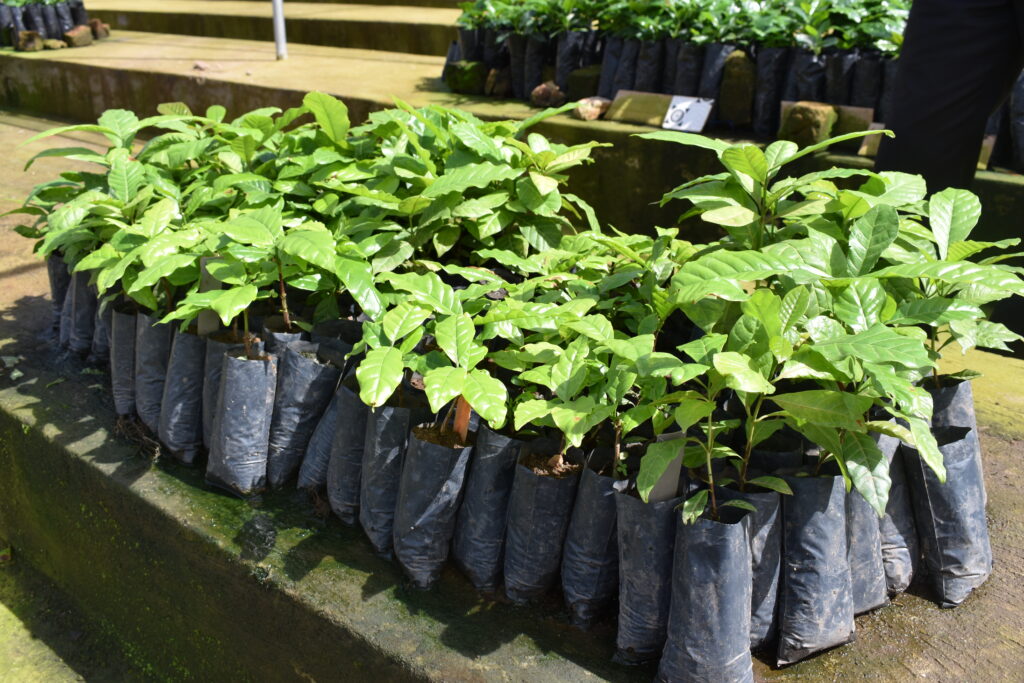
“In each zone, climate, soils, and environmental conditions vary. By working across regions, we are able to develop location-specific solutions. This ensures that farmers are not given generic technologies, but varieties and practices that suit their environment”, he says.
He adds that this model mirrors successful systems in leading coffee-producing countries such as Brazil, India, and Colombia, where national research institutions maintain strong regional presence.
“This is not fragmented work, it is one coordinated national effort where all actors are aligned toward a common goal”, Dr. Arinaitwe emphasizes.
Foundation seed for bumper harvests:
The process of moving improved coffee varieties from research stations to farmers involves a carefully structured multiplication chain so as to maintain quality. NaCORI produces foundation seed, which is then multiplied by partners, including government agencies, private companies, and farmer organisations.
Uganda requires approximately 68 million coffee seedlings annually to meet its production targets. While NaCORI produces about two million foundation planting materials, scaling up to meet national demand depends heavily on partnerships, Dr. Arinaitwe notes that collaboration is not optional, it is essential.
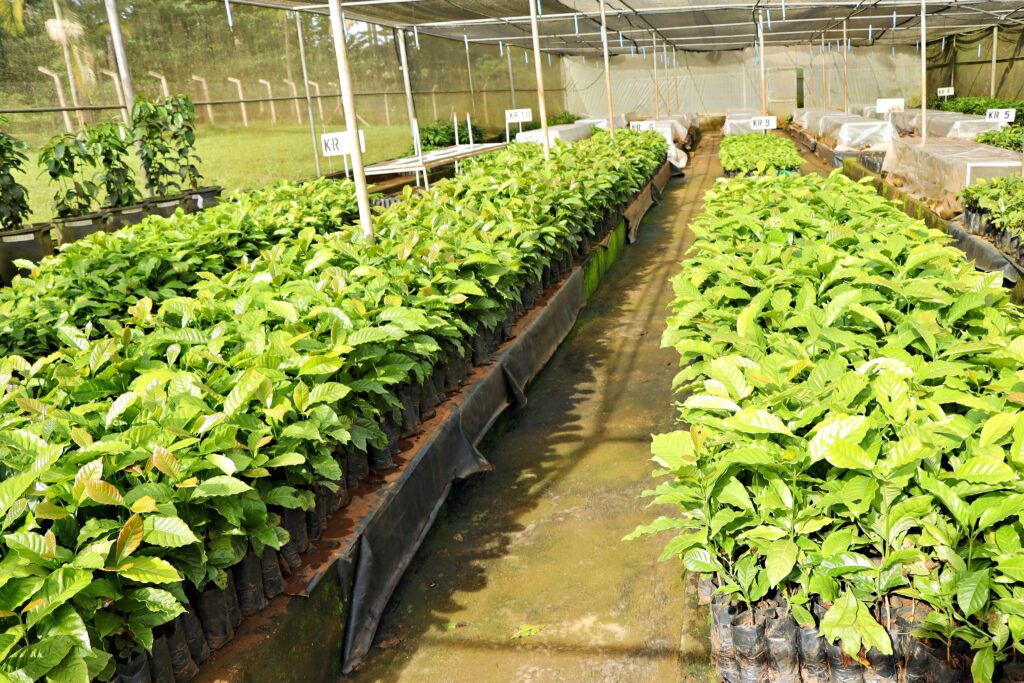
“No single institution can meet this demand alone, that is why we have built partnerships across the country to ensure that planting materials are multiplied and delivered efficiently”, he says.
Coffee innovation centres:
Beyond producing seedlings, NaCORI has invested in bringing knowledge closer to farmers through coffee innovation centres. These centres act as practical learning hubs where farmers interact directly with scientists and technologies.
According to Dr. Godfrey Sseremba, a Senior Research Officer and Head of the Coffee Variety Improvement Programme at NaCORI, farmers are trained in critical areas such as spacing, soil fertility management, pest and disease control, and water conservation. They also learn about post-harvest handling, which is essential for maintaining coffee quality.
This approach ensures that farmers do not simply receive seedlings, but also gain the skills needed to manage their coffee gardens effectively.
Strengthening the seed system:
Maintaining quality across the seed system requires strong capacity at every level. NaCORI has, therefore, prioritised training for nursery operators, technicians, and farmer groups.
Dr. Sseremba highlights that quality assurance is critical.
“From the research station to the farmer, we must ensure that the integrity of the planting material is maintained, that is why training is a key component of the system”, he says.
Private sector participation has also strengthened the system. Private coffee nursery operators involved in seed multiplication are helping to scale up production, demonstrating the importance of public-private partnerships.
Available, Accessible and Affordable Seed:
Dr. Laban Turyagyenda, the Principal Investigator for the National Coffee Seed System project, explains that NaCORI provides the scientific backbone, while the practical strengthening of the seed system is being driven under the National Agricultural Research Organisation (NARO).
Dr. Turyagyennda explains that the project is addressing three major challenges; availability, accessibility, and affordability of coffee seedlings.
“For a long time, farmers have struggled to access genuine planting materials, even when they find them, they are often too expensive or too far away. Our goal is to ensure that quality seedlings are available, accessible, and affordable to all farmers”, he says.
He points out that the rapid growth of coffee farming has increased demand for seedlings, which has also attracted counterfeit suppliers.
“When demand rises, fake seed enters the market, farmers end up buying poor-quality seedlings, which affects their productivity. We are working to eliminate that problem by building a trusted system”, he explains.
Improved varieties and farmer productivity
Central to the project is the promotion of improved coffee varieties that are high-yielding and tolerant to drought, pests, and diseases. These varieties are essential for increasing production and building resilience against climate change.
However, Dr. Turyagyenda emphasises that improved seedlings alone are not enough.
“If farmers plant good materials without proper management, they will not achieve the expected results; that is why training is equally important”, he says.
Through the project, farmers are trained in soil fertility management, fertiliser use, spacing, and weed control. These practices ensure that improved varieties reach their full potential.
“When farmers follow recommended practices, yields increase significantly, and when yields increase, incomes improve”, he says.
Challenges in meeting the growing demand
Despite the progress made, one of the biggest challenges remains the overwhelming demand for seedlings. Farmers across the country are eager to plant coffee, but production capacity is still catching up.
“Everyone wants seedlings at the same time, it shows the potential of the sector, but it also puts pressure on us to expand quickly”, Dr. Turyagyenda says.
Infrastructure development, including nursery establishment and quality control systems, takes time and investment. While progress is ongoing, the gap between supply and demand remains a key issue.
Looking beyond planting
The seed system has laid a strong foundation, but more needs to be done beyond planting.
“We must think beyond seedlings, after farmers plant, they need support in harvesting, processing, and marketing”, Dr. Turyagyenda says.
Poor harvesting practices, such as picking unripe cherries, can reduce quality and market value. Similarly, limited access to processing technologies and organised markets can limit farmers’ earnings.
Dr. Arinaitwe adds that strengthening the entire value chain is critical for long-term success.
“If we increase production without addressing quality and markets, farmers may not benefit fully, we need to look at the entire system, from seed to market”, he explains.
Coffee seedlings, the foundation of change
What is emerging in Uganda is more than a research programme, it is a coordinated national movement driven by science and collaboration. Scientists, policymakers, farmers, and private sector players are all working together toward a shared vision.
For farmers, the benefits are already visible. Access to improved seedlings and better farming practices is leading to higher yields, increased incomes, and improved resilience.
As Uganda moves closer to the Coffee Roadmap 2030 target of exporting 20 million 60kg coffee bags, the importance of a strong seed system cannot be overstated. It is the foundation upon which the entire coffee sector is built. It is a system that connects science to the soil, research to reality, and innovation to the farmer.