By using this site, you agree to the Privacy Policy and Terms of Use.
Accept
News
Thursday, Aug 6, 2026
  • NARL
  • NaCORI
  • NaCRRI
  • NaSARRI
  • NaFIRRI
  • NaFORRI
  • NaLIRRI
  • HOME
  • INSTITUTES
    • SECRETARIAT
    • NaCCRI News
    • NaCORI News
    • NaFIRRI News
    • NaFORRI News
    • NaLIRRI News
    • NARL News
    • NaSARRI News
    • AbiZARDI News
    • BuZARDI News
    • BugiZARDI News
    • KaZARDI News
    • MbaZARDI News
    • MuZARDI News
    • NabuinZARDI News
    • NgettaZARDI News
    • RwebZARDI News
  • CASH CROPS
    • Cocoa
    • Coffee
    • Cotton
  • CEREALS
    • Millet
    • Sorghum
    • Maize
    • Rice
  • OTHERS
    • Beans
    • Banana
    • Groundnuts
    • Vegetables
    • Sunflower
    • Soya Beans
    • Simsim
    • Palm Oil
    • Forestry
  • LIVESTOCK
    • Dairy
    • Beef
    • Poultry
    • Aquaculture
    • Vaccinology
  • ROOT CROPS
    • Cassava
    • Irish Potatoe
    • Sweet Potatoe
  • TECHNOLOGIES
Reading: NaSARRI Reviews Biofortification Project to Improve Nutrition and Livestock Productivity
Font ResizerAa
NewsNews
  • Home
  • Blog Index
  • Contact
Search
  • Pages
    • Home
    • Contact Us
    • Blog Index
    • 404 Page
    • Search Page
  • Categories

Trending →

NARO, Chinese University Partner on Livestock Research

By Frank Mugabi July 22, 2026

NARO technology Offers Hope for Food Security in Drought-Stricken Karamoja

By Dixson Muyomba July 20, 2026

NARO Refugee project supporting school feeding in Rwamwanja Refugee settlement

By Abraham Ahabwe July 8, 2026

Kasese District Extension Officers Visit NARO Rwebitaba ZARDI

By Abraham Ahabwe July 7, 2026

From more tea to better tea, the story Rwebitaba’s specialty teas 

By Abraham Ahabwe July 7, 2026
Follow US
© Foxiz News Network. Ruby Design Company. All Rights Reserved.
News > Blog > General News > NaSARRI Reviews Biofortification Project to Improve Nutrition and Livestock Productivity
General News

NaSARRI Reviews Biofortification Project to Improve Nutrition and Livestock Productivity

Robinah Nakabaggwe
Last updated: May 7, 2026 3:39 pm
By Robinah Nakabaggwe
Share
3 Min Read
SHARE

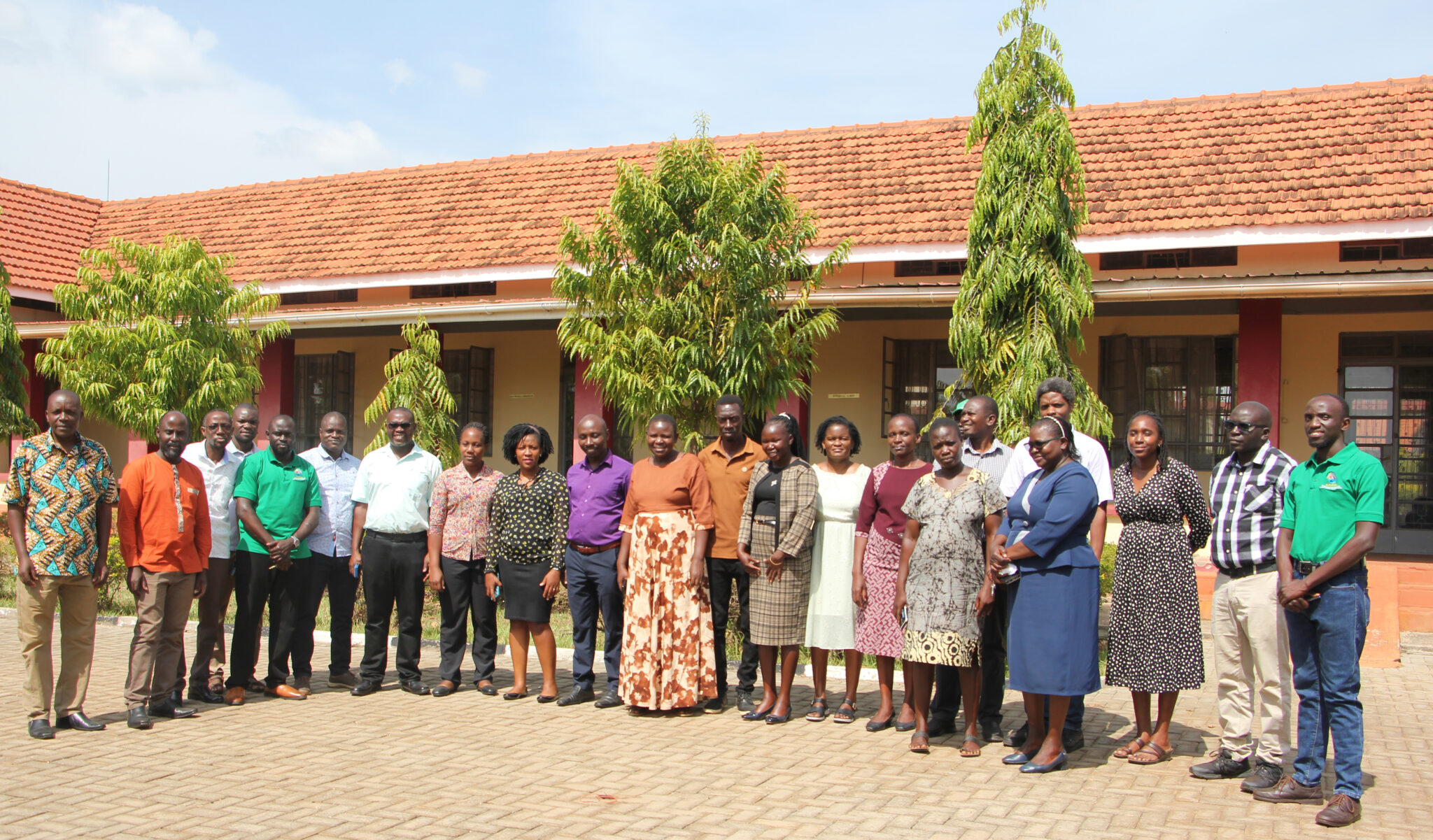
The Dryland Cereals Programme at the National Semi-Arid Resources Research Institute (NaSARRI) continues to conduct periodic reviews aimed at assessing programme performance, research progress, and overall impact on farming communities.

The reviews form part of the institute’s monitoring and evaluation framework, which enables researchers and programme leaders to assess ongoing activities, identify priorities, and realign interventions to better address the needs of beneficiary communities and national development goals.

Among the key initiatives under the Dryland Cereals Programme is the project titled “Biofortification of Sorghum to Alleviate Hunger and Malnutrition in Dryland Regions of East Africa.” The project focuses on improving the nutritional quality of sorghum grain and stover to support both human and animal nutrition.

The initiative specifically targets increasing iron and zinc content in sorghum grain for improved human nutrition, while also reducing hydrogen cyanide levels in sorghum stovers to enhance animal feed safety and livestock health.

According to Dr. Scovia Adikini, who is also the Project Principal Investigator, researchers have already characterized both released and unreleased sorghum varieties to identify lines with high iron and zinc content as well as low hydrogen cyanide levels.

All sorghum varieties have been characterized to identify those with high levels of iron and zinc and those with low hydrogen cyanide content for safer animal nutrition. Through this project, we aim to improve human health, livestock well-being, and access to quality food and livestock products,” she explained.

The project has also involved farmer engagements and market assessments of sorghum-based food products to guide breeding priorities and support the development of nutritious sorghum products for human consumption.

Researchers noted that feedback from farmers and consumers is critical in shaping future breeding efforts and ensuring that developed varieties meet both nutritional and market demands.

The project is supported by the Foundation for Food & Agriculture Research (FFAR) in partnership with CIMMYT and the National Agricultural Research Organisation (NARO).

The initiative reflects ongoing efforts by NaSARRI and its partners to leverage agricultural research and innovation in addressing malnutrition, improving food security, and strengthening resilient farming systems in dryland regions of East Africa.

Share This Article
Facebook Twitter Copy Link
Leave a comment

Leave a Reply Cancel reply

Your email address will not be published. Required fields are marked *

Recent Posts

  • NARO, Chinese University Partner on Livestock Research
  • NARO technology Offers Hope for Food Security in Drought-Stricken Karamoja
  • NARO Refugee project supporting school feeding in Rwamwanja Refugee settlement
  • Kasese District Extension Officers Visit NARO Rwebitaba ZARDI
  • From more tea to better tea, the story Rwebitaba’s specialty teas 

Recent Comments

No comments to show.

You Might Also Like ↷

NARO, Chinese University Partner on Livestock Research

July 22, 2026

NARO technology Offers Hope for Food Security in Drought-Stricken Karamoja

July 20, 2026

Kasese District Extension Officers Visit NARO Rwebitaba ZARDI

July 7, 2026

NARO Crowned Best Government Institution at Jinja National Agricultural Show

July 6, 2026
  • Advertise with us
  • Newsletters
  • Complaint
  • Deal
Stay tuned for a blend of captivating content that not only informs but also inspires you to navigate the ever-evolving landscape of technology, marketing, and market trends!
News
  • NaCCRI
  • NaCORRI
  • NaFIRRI
  • NaFORRI
  • NaLIRRI
  • NARL
  • NARO
  • NaSARRI
  • AbiZARDI
  • BugiZARDI
  • BuZARDI
  • KaZARDI
  • MbaZARDI
  • MuZARDI
  • NabuinZARDI
  • NgettaZARDI
  • RwebZARDI
5.2kFollowersLike
18.8kFollowersFollow
15.8kSubscribersSubscribe
Copyright © National Agricultural Research Organisation – NARO