
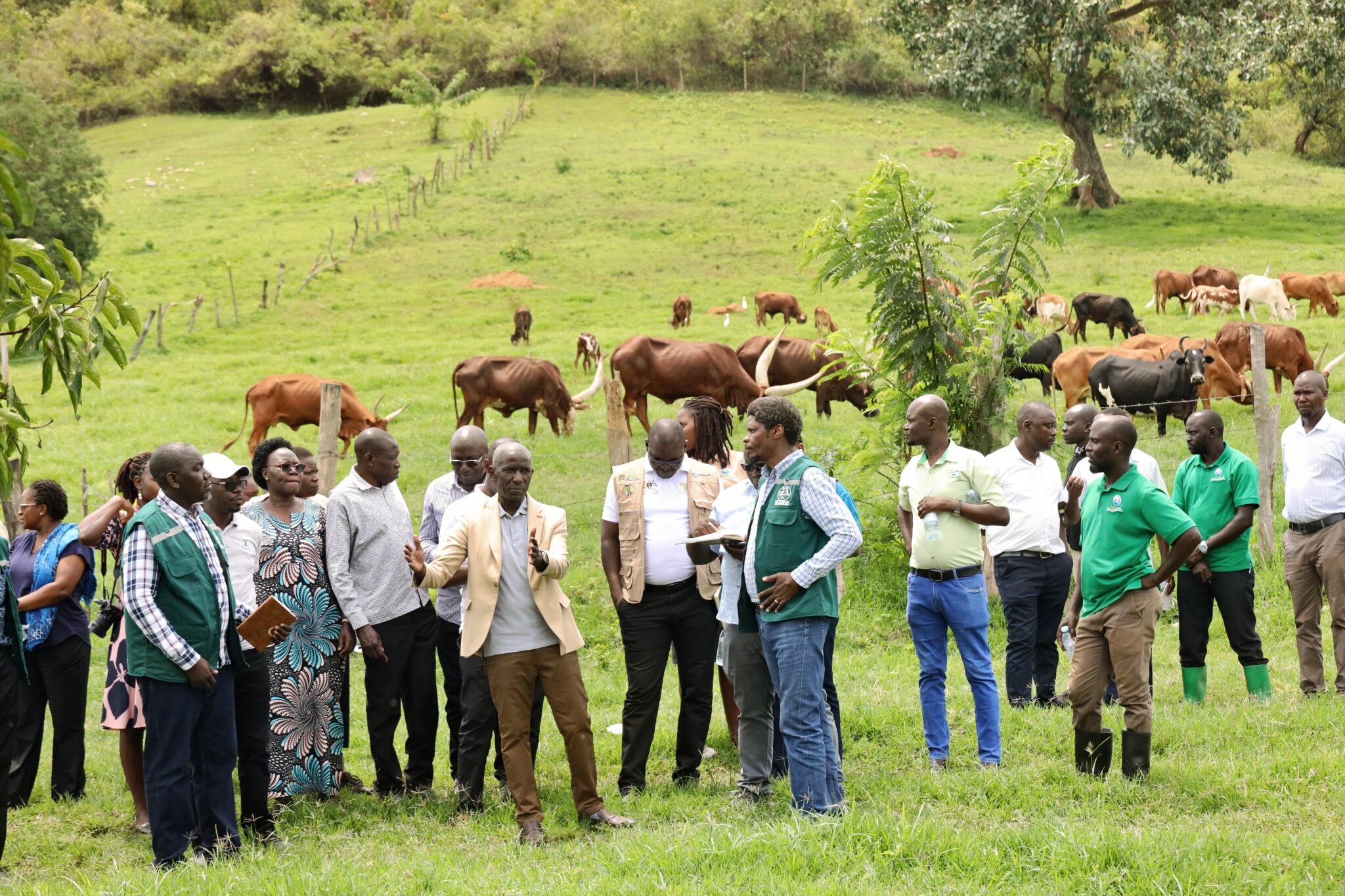

The National Semi-Arid Resources Research Institute (NaSARRI) has been commended for its growing impact in advancing agricultural research and innovation during a supervisory support visit by top management from the National Agricultural Research Organisation (NARO) on March 10, 2026.
The visit, led by Dr. Yona Baguma, was part of NARO’s routine oversight and support program aimed at assessing progress, strengthening institutional performance, and providing strategic guidance to its research institutes.
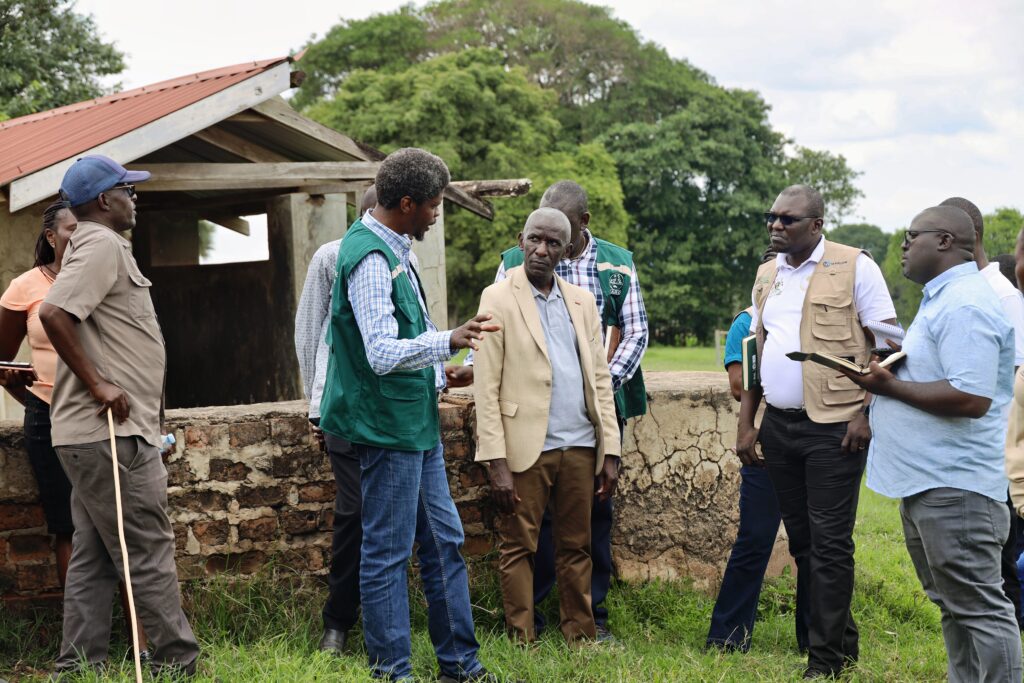
Welcoming the delegation, the Director of NaSARRI, Dr. Okello Kalule Devid, highlighted several achievements that have strengthened the institute’s research capacity and contribution to agricultural transformation in the Teso sub-region. Among the notable milestones was the establishment of pasture fields under the Climate-Smart Agriculture Project.
During the visit, the delegation toured various demonstration sites and research facilities, including Chloris, Mucuna, and Pachong pasture fields, as well as supporting infrastructure, kraals, and other innovation sites established under the project. The team observed ongoing research efforts aimed at improving climate resilience and livestock productivity.
Dr. Baguma encouraged the institute to strengthen the integration of livestock and crop production systems through the revision of NaSARRI’s master plan. He emphasized the importance of developing resilient pasture systems suited to changing climatic conditions and adaptable to open grazing systems.
Addressing researchers and staff, Dr. Baguma applauded the institute’s dedication and progress. He noted the need to incorporate additional expertise, particularly agronomists and plant breeders, to support the development of climate-resilient pasture systems and improved forage genetics that can easily be adopted by farmers practicing open pasture livestock production.
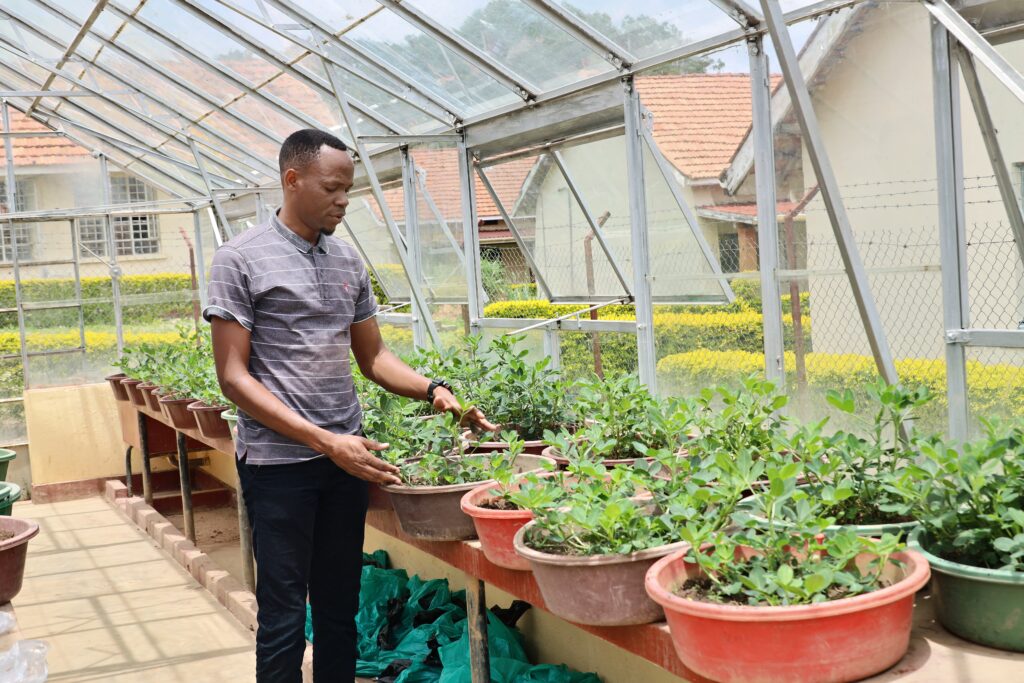
He further stressed that NaSARRI continues to play a critical role in advancing NARO’s mission of generating agricultural innovations for improved livelihoods. He noted that institutional success depends not only on infrastructure and technology, but also on strong leadership, teamwork, commitment, and passion among staff.
In light of the changing climate, Dr. Baguma also emphasized the importance of planning for pasture storage systems to serve as backup feed reserves and safeguard animal welfare during periods of drought and feed scarcity.
The visit was attended by several stakeholders, including representatives from the Ministry of Agriculture, Animal Industry and Fisheries (Ministry of Agriculture, Animal Industry and Fisheries), district engineering officials, representatives from the project’s Livestock Value Chain component, and other partners supporting agricultural development initiatives in the region.