
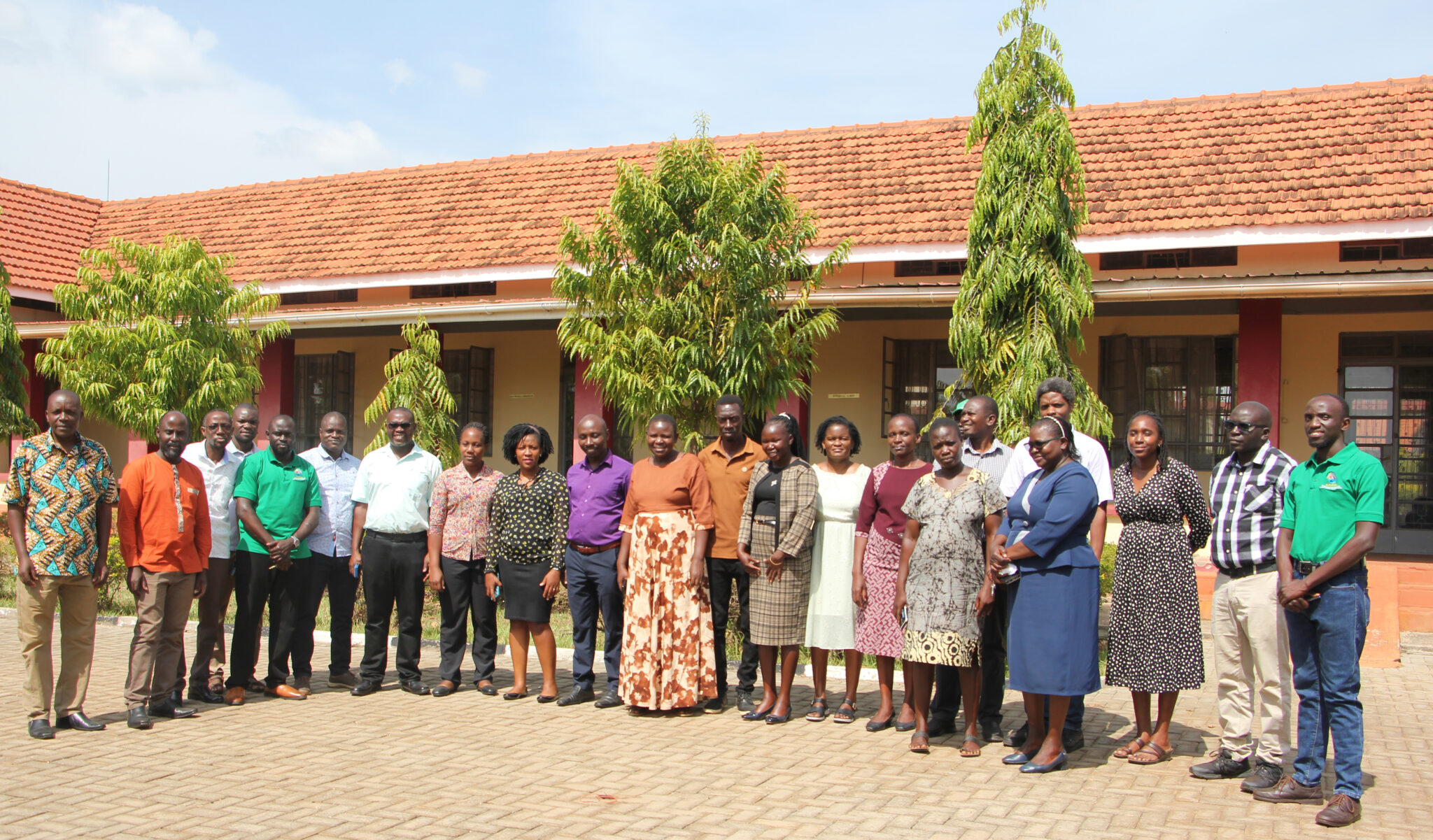

The Dryland Cereals Programme at the National Semi-Arid Resources Research Institute (NaSARRI) continues to conduct periodic reviews aimed at assessing programme performance, research progress, and overall impact on farming communities.
The reviews form part of the institute’s monitoring and evaluation framework, which enables researchers and programme leaders to assess ongoing activities, identify priorities, and realign interventions to better address the needs of beneficiary communities and national development goals.
Among the key initiatives under the Dryland Cereals Programme is the project titled “Biofortification of Sorghum to Alleviate Hunger and Malnutrition in Dryland Regions of East Africa.” The project focuses on improving the nutritional quality of sorghum grain and stover to support both human and animal nutrition.
The initiative specifically targets increasing iron and zinc content in sorghum grain for improved human nutrition, while also reducing hydrogen cyanide levels in sorghum stovers to enhance animal feed safety and livestock health.
According to Dr. Scovia Adikini, who is also the Project Principal Investigator, researchers have already characterized both released and unreleased sorghum varieties to identify lines with high iron and zinc content as well as low hydrogen cyanide levels.
All sorghum varieties have been characterized to identify those with high levels of iron and zinc and those with low hydrogen cyanide content for safer animal nutrition. Through this project, we aim to improve human health, livestock well-being, and access to quality food and livestock products,” she explained.
The project has also involved farmer engagements and market assessments of sorghum-based food products to guide breeding priorities and support the development of nutritious sorghum products for human consumption.
Researchers noted that feedback from farmers and consumers is critical in shaping future breeding efforts and ensuring that developed varieties meet both nutritional and market demands.
The project is supported by the Foundation for Food & Agriculture Research (FFAR) in partnership with CIMMYT and the National Agricultural Research Organisation (NARO).
The initiative reflects ongoing efforts by NaSARRI and its partners to leverage agricultural research and innovation in addressing malnutrition, improving food security, and strengthening resilient farming systems in dryland regions of East Africa.