By using this site, you agree to the Privacy Policy and Terms of Use.
Accept
News
Tuesday, Apr 21, 2026
  • NARL
  • NaCORI
  • NaCRRI
  • NaSARRI
  • NaFIRRI
  • NaFORRI
  • NaLIRRI
  • HOME
  • INSTITUTES
    • SECRETARIAT
    • NaCCRI News
    • NaCORI News
    • NaFIRRI News
    • NaFORRI News
    • NaLIRRI News
    • NARL News
    • NaSARRI News
    • AbiZARDI News
    • BuZARDI News
    • BugiZARDI News
    • KaZARDI News
    • MbaZARDI News
    • MuZARDI News
    • NabuinZARDI News
    • NgettaZARDI News
    • RwebZARDI News
  • CASH CROPS
    • Cocoa
    • Coffee
    • Cotton
  • CEREALS
    • Millet
    • Sorghum
    • Maize
    • Rice
  • OTHERS
    • Beans
    • Banana
    • Groundnuts
    • Vegetables
    • Sunflower
    • Soya Beans
    • Simsim
    • Palm Oil
    • Forestry
  • LIVESTOCK
    • Dairy
    • Beef
    • Poultry
    • Aquaculture
    • Vaccinology
  • ROOT CROPS
    • Cassava
    • Irish Potatoe
    • Sweet Potatoe
  • TECHNOLOGIES
Reading: NaLIRRI develops traps for honey bee pests
Font ResizerAa
NewsNews
  • Home
  • Blog Index
  • Contact
Search
  • Pages
    • Home
    • Contact Us
    • Blog Index
    • 404 Page
    • Search Page
  • Categories

Trending →

NACORI DRIVING UGANDA’S COFFEE FUTURE FROM SCIENCE TO THE FARMER

By Barbara Nambozo April 14, 2026

Northern Uganda Farmers Urged to Embrace Research-Driven Technologies

By Frank Mugabi March 30, 2026

Is kisansa coffee a ‘silver bullet’ to climate change challenges?

By Barbara Nambozo March 12, 2026

Inside Uganda’s Scientific Race to develop drought-resilient coffee

By Admin March 12, 2026

How Uganda’s NaCORI is redefining the future of coffee farming

By Barbara Nambozo March 12, 2026
Follow US
© Foxiz News Network. Ruby Design Company. All Rights Reserved.
News > Blog > General News > NaLIRRI develops traps for honey bee pests
General NewsNaLIRRI NewsSecretariat News

NaLIRRI develops traps for honey bee pests

Winnie Nanteza
Last updated: May 20, 2024 12:15 pm
By Winnie Nanteza
Share
3 Min Read
SHARE

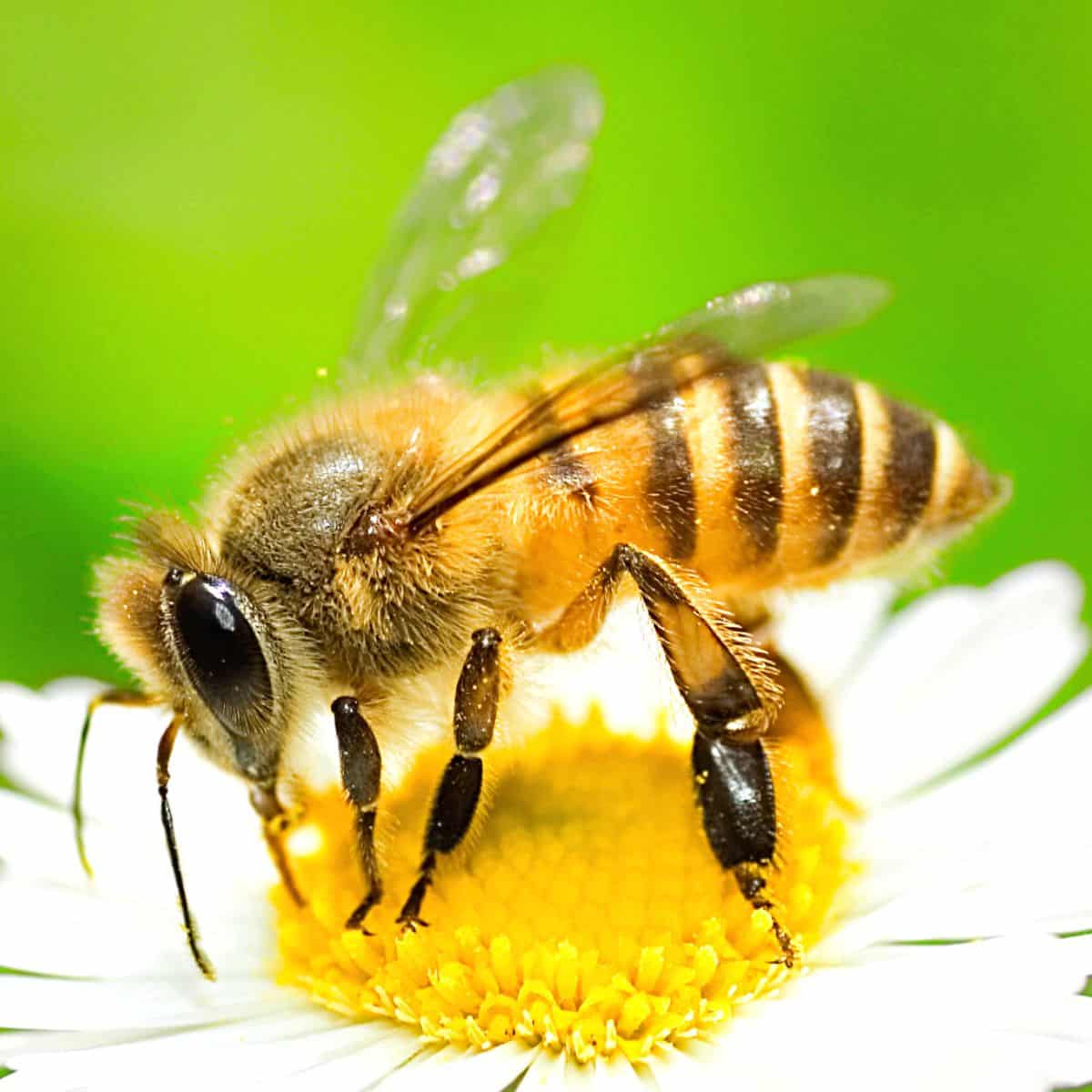
NaLIRRI’s entomology scientists have designed four innovative honey bee pest traps currently under final evaluation for effectiveness. According to Dr. Kasangaki Patrice, the Program Leader of the Entomology Program at NaLIRRI, the goal is to create traps that effectively manage pests without harming the bees or contaminating their product.

Under the project titled “Harnessing Microbial and Semiochemical Resources for Pest Management,” NaLIRRI’s entomology scientists meticulously crafted the traps specifically to target hive beetles and wax moths, two notorious honey bee pests. Dr. Kasangaki emphasized, “These traps utilize natural lures infused with pesticides to attract and eliminate the pests outside the bee hives, ensuring the safety of the bees and their products.”

Dr. Kasangaki, also serving as the Project Principal Investigator, highlighted the broader objectives of the project. “We aim to enhance pest management in Uganda by developing scalable and sustainable insecticides derived from soil-bacteria Saccharopolyspora spp.,” he elaborated. “Additionally, we’re focusing on bee semiochemical-based strategies to combat hive beetles and wax moths, thereby bolstering colony productivity.”

The project’s scope encompasses two main work packages: one dedicated to developing broad-spectrum insecticides and another focusing on bee semiochemical-based strategies. Implementation sites were strategically chosen in districts like Nakasongola, Mbarara, and Oyam for the former, while areas in the Lake Victoria Crescent and Mid North were selected for the latter based on prior research on honeybee pest infestations.

Dr. Kasangaki stressed the significance of the project’s objectives in addressing critical challenges posed by insect pests and vectors in Uganda. “Insects play multifaceted roles, acting as resources, pests, and disease vectors. It’s imperative to mitigate the detrimental impacts of pests while safeguarding environmental and human health,” he emphasized.

Amidst the challenges posed by synthetic pesticides, the project aimed to offer sustainable solutions by harnessing naturally occurring and environmentally friendly alternatives. “Our research seeks to mitigate the adverse effects of synthetic pesticides while promoting the use of bio-derived products that are highly efficacious and selective,” Dr. Kasangaki affirmed.

As the project progressed, Dr. Kasangaki remained optimistic about its potential to contribute to Uganda’s agricultural sector and align with broader national development goals. “By focusing on pest management innovations, we aim to support the country’s efforts towards poverty eradication, food security, and improved quality of life for its citizens,” he concluded, his enthusiasm undiminished as he looked towards a future where bees thrived and pests were managed sustainably.

TAGGED:Featured
Share This Article
Facebook Twitter Copy Link
Leave a comment

Leave a Reply Cancel reply

Your email address will not be published. Required fields are marked *

Recent Posts

  • NACORI DRIVING UGANDA’S COFFEE FUTURE FROM SCIENCE TO THE FARMER
  • Northern Uganda Farmers Urged to Embrace Research-Driven Technologies
  • Is kisansa coffee a ‘silver bullet’ to climate change challenges?
  • Inside Uganda’s Scientific Race to develop drought-resilient coffee
  • How Uganda’s NaCORI is redefining the future of coffee farming

Recent Comments

No comments to show.

You Might Also Like ↷

NACORI DRIVING UGANDA’S COFFEE FUTURE FROM SCIENCE TO THE FARMER

April 14, 2026

Northern Uganda Farmers Urged to Embrace Research-Driven Technologies

March 30, 2026

A Decade in the Making: NaCRRI Officially Releases Breakthrough Purple-Fleshed Sweet Potato Varieties

February 23, 2026

NaLIRRI Newsletter. June – December 2025

February 16, 2026
  • Advertise with us
  • Newsletters
  • Complaint
  • Deal
Stay tuned for a blend of captivating content that not only informs but also inspires you to navigate the ever-evolving landscape of technology, marketing, and market trends!
News
  • NaCCRI
  • NaCORRI
  • NaFIRRI
  • NaFORRI
  • NaLIRRI
  • NARL
  • NARO
  • NaSARRI
  • AbiZARDI
  • BugiZARDI
  • BuZARDI
  • KaZARDI
  • MbaZARDI
  • MuZARDI
  • NabuinZARDI
  • NgettaZARDI
  • RwebZARDI
5.2kFollowersLike
18.8kFollowersFollow
15.8kSubscribersSubscribe
Copyright © National Agricultural Research Organisation – NARO