
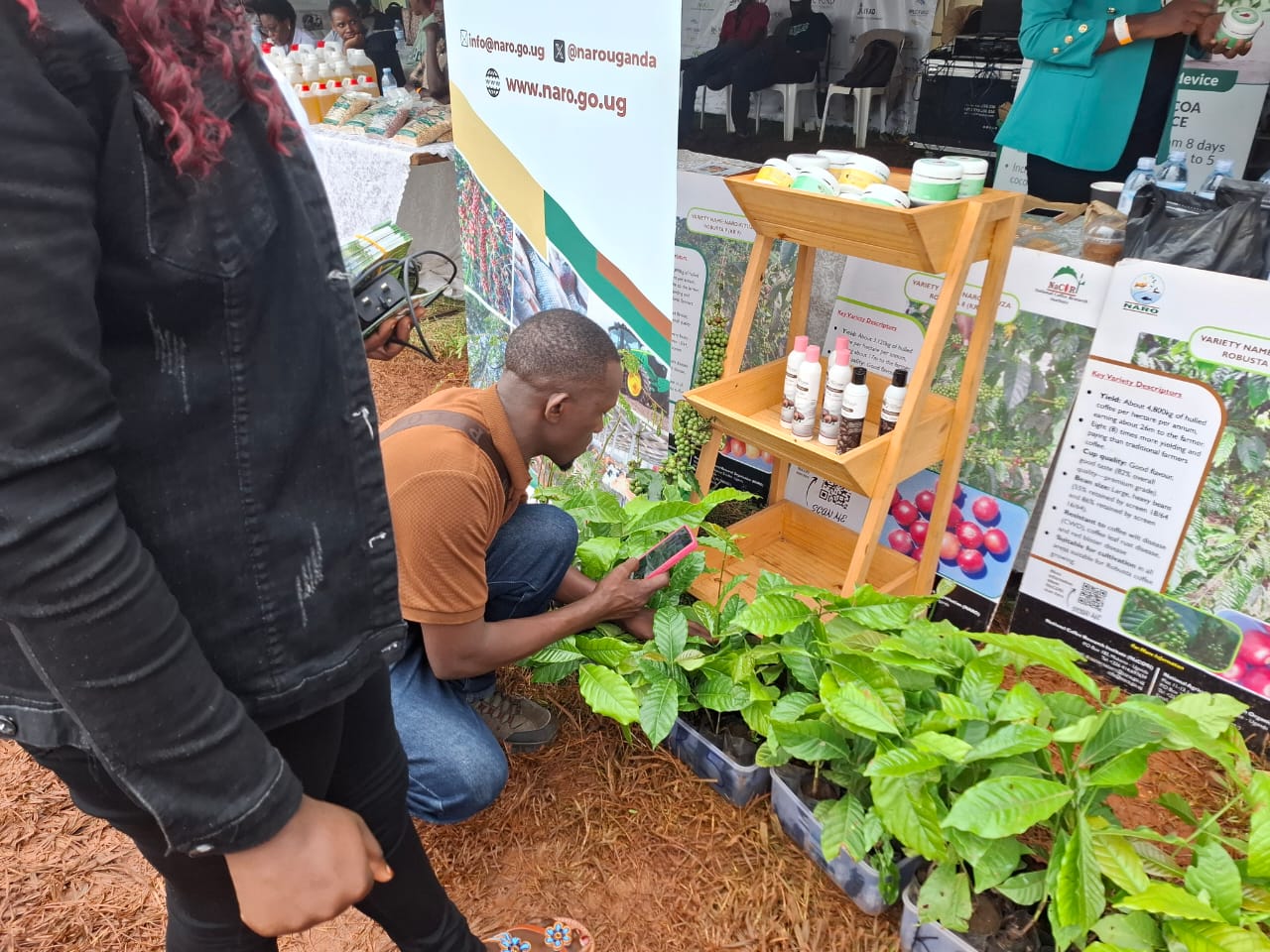

Uganda’s coffee sector, the backbone of the country’s rural economy, is undergoing a quiet but transformative revolution.
For decades, smallholder farmers have supplied Robusta and Arabica beans that have earned the country billions in foreign exchange. Yet, the supply chain, from the farm gate to international markets, has remained largely opaque, with farmers often receiving minimal returns on their produce.
Now, thanks to digital innovations and new regulatory requirements, Uganda is introducing a system that promises to trace every coffee lot from the farm floor to the final buyer. This initiative, championed by the Uganda Coffee Farmers Alliance (UCFA) and the National Coffee Research Institute (NaCORI), integrates farmer registration, data protection, and real-time monitoring, all aimed at improving efficiency, compliance, and profitability for smallholder farmers.
The programme comes at a critical time when international regulations, such as the European Union Deforestation Regulation (EUDR), are demanding that imported coffee meets strict traceability standards.
In practical terms, this means that Uganda’s coffee must now be verifiably free from deforestation and traceable to individual farms, a challenge for a sector where coffee is traditionally aggregated through middlemen.
Protecting farmers’ rights in a digital era
The success of the digital coffee platform depends heavily on farmer trust. Antony Mugoya, Managing Director of UCFA, emphasised the importance of balancing traceability with farmers’ rights.
“We must be mindful of the farmer and the rights of the farmer, farmers’ privacy rights are a key consideration. The Uganda Data Protection and Privacy Act of 2019 aligns closely with the European General Data Protection Regulation in terms of protecting personal information”, Mugoya explained.
According to Mugoya, the law mandates that farmers must be fully informed before their data is registered, and they retain the right to access, correct, or even erase their information. Farmers can also restrict access to their data or move it from one buyer to another, ensuring that their profiles remain portable within the supply chain.