
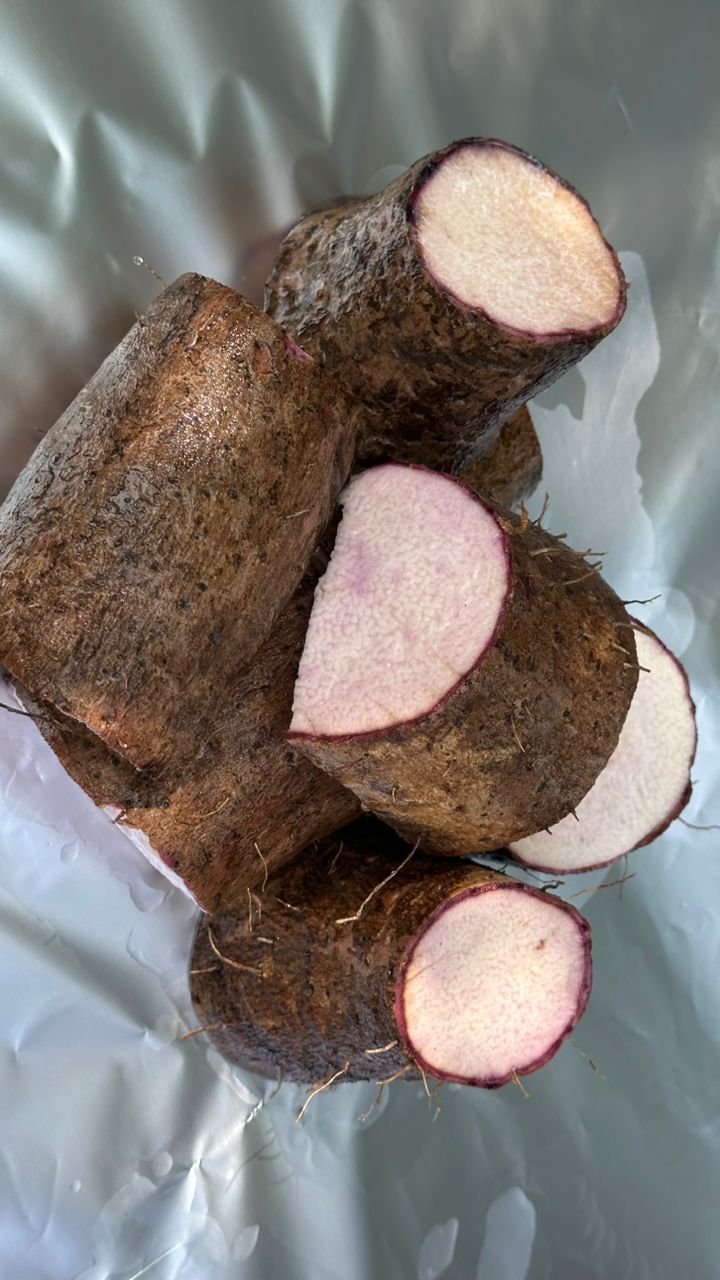

Uganda’s agricultural future is being reshaped by an unlikely hero—the yam. For the first time, the National Crops Resources Research Institute (NaCRRI) is spearheading a comprehensive yam research program, paving the way for the release of improved yam varieties that promise resilience, productivity, and better nutrition.
This groundbreaking effort brings together breeders, social economists, seed system experts, food scientists, extension officers, and farmer groups. At its core is a participatory approach that ensures science is rooted in community experience. Two innovative methods are guiding the process:
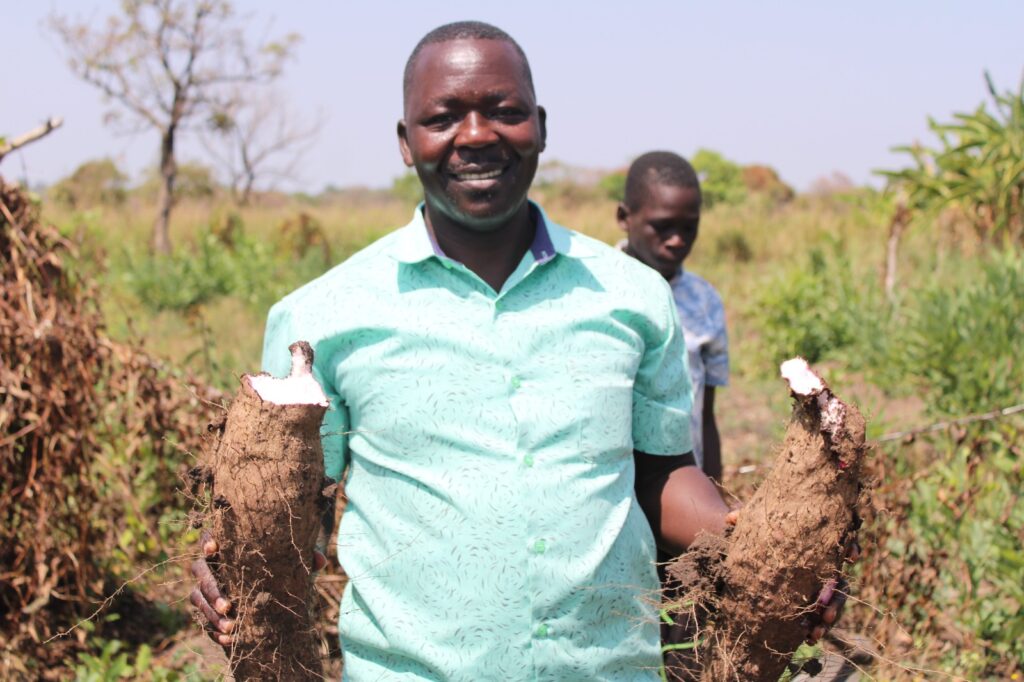
Participatory Variety Selection (PVS): Farmers grow all genotypes side-by-side in one field, enabling direct comparison.
The Tricot Method: Each farmer tests a random subset of three genotypes under their unique soil and climate conditions, generating diverse, real-world insights.
Testing Across Communities:
In Wakiso(Namulonge), Adjumani, Omoro, Nwoya, and Luwero districts, six yam clones were established in 60 tricot fields. Farmers evaluated them for key agronomic traits such as germination ability, plant vigor, and resistance to pests and diseases. The aim: to identify outstanding clones that could be recommended for variety release or promotion.
The participatory approach has already yielded valuable insights. Surveys revealed that clones UGY16085, UGY20191, and UGY20090 were most preferred, while UGY20049 ranked lowest. These preferences reflect not only agronomic performance but also farmers’ lived experiences; ensuring that the varieties chosen will truly meet community needs.
Dr. Paula Iragaba( NaCRRI Research Scientist)says: “We aren’t not only looking for the biggest yam. We are looking for the right yam, one that resists pests, tastes great, and stores well.”
Local district leadership has been instrumental, helping identify farmer groups, select host farmers, and monitor the trials. This strong community participation has been central to the project’s success.
The yam clones have now reached harvest, and consumer testing has been conducted to evaluate taste, texture, and cooking qualities. This ensures that the varieties selected are not only resilient in the field but also appealing to households across Uganda.
Yams are more than just a crop; they represent a new cornerstone for Uganda’s food security and agricultural diversification. Through this research, NaCRRI is laying the foundation for:
- Resilient varieties that withstand climate change.
- Improved nutrition through diverse and high-quality root crops.
- Economic opportunities via strengthened value chains and seed systems.
- Community empowerment through participatory research.
Looking Ahead
As NaCRRI moves closer to releasing Uganda’s first yam varieties, the project stands as a model of inclusive, innovative agricultural research. By rooting science in community fields and kitchens, Uganda is cultivating not just new crops, but a new future; one where the humble yam becomes a symbol of resilience and prosperity.