By using this site, you agree to the Privacy Policy and Terms of Use.
Accept
News
Thursday, Apr 16, 2026
  • NARL
  • NaCORI
  • NaCRRI
  • NaSARRI
  • NaFIRRI
  • NaFORRI
  • NaLIRRI
  • HOME
  • INSTITUTES
    • SECRETARIAT
    • NaCCRI News
    • NaCORI News
    • NaFIRRI News
    • NaFORRI News
    • NaLIRRI News
    • NARL News
    • NaSARRI News
    • AbiZARDI News
    • BuZARDI News
    • BugiZARDI News
    • KaZARDI News
    • MbaZARDI News
    • MuZARDI News
    • NabuinZARDI News
    • NgettaZARDI News
    • RwebZARDI News
  • CASH CROPS
    • Cocoa
    • Coffee
    • Cotton
  • CEREALS
    • Millet
    • Sorghum
    • Maize
    • Rice
  • OTHERS
    • Beans
    • Banana
    • Groundnuts
    • Vegetables
    • Sunflower
    • Soya Beans
    • Simsim
    • Palm Oil
    • Forestry
  • LIVESTOCK
    • Dairy
    • Beef
    • Poultry
    • Aquaculture
    • Vaccinology
  • ROOT CROPS
    • Cassava
    • Irish Potatoe
    • Sweet Potatoe
  • TECHNOLOGIES
Reading: BRAINS Project Inception Meeting Champions Climate-Resilient Agriculture
Font ResizerAa
NewsNews
  • Home
  • Blog Index
  • Contact
Search
  • Pages
    • Home
    • Contact Us
    • Blog Index
    • 404 Page
    • Search Page
  • Categories

Trending →

NACORI DRIVING UGANDA’S COFFEE FUTURE FROM SCIENCE TO THE FARMER

By Barbara Nambozo April 14, 2026

Northern Uganda Farmers Urged to Embrace Research-Driven Technologies

By Frank Mugabi March 30, 2026

Is kisansa coffee a ‘silver bullet’ to climate change challenges?

By Barbara Nambozo March 12, 2026

Inside Uganda’s Scientific Race to develop drought-resilient coffee

By Admin March 12, 2026

How Uganda’s NaCORI is redefining the future of coffee farming

By Barbara Nambozo March 12, 2026
Follow US
© Foxiz News Network. Ruby Design Company. All Rights Reserved.
News > Blog > General News > BRAINS Project Inception Meeting Champions Climate-Resilient Agriculture
General NewsNaCCRI News

BRAINS Project Inception Meeting Champions Climate-Resilient Agriculture

Christine Elong
Last updated: April 8, 2025 12:36 pm
By Christine Elong
Share
3 Min Read
SHARE

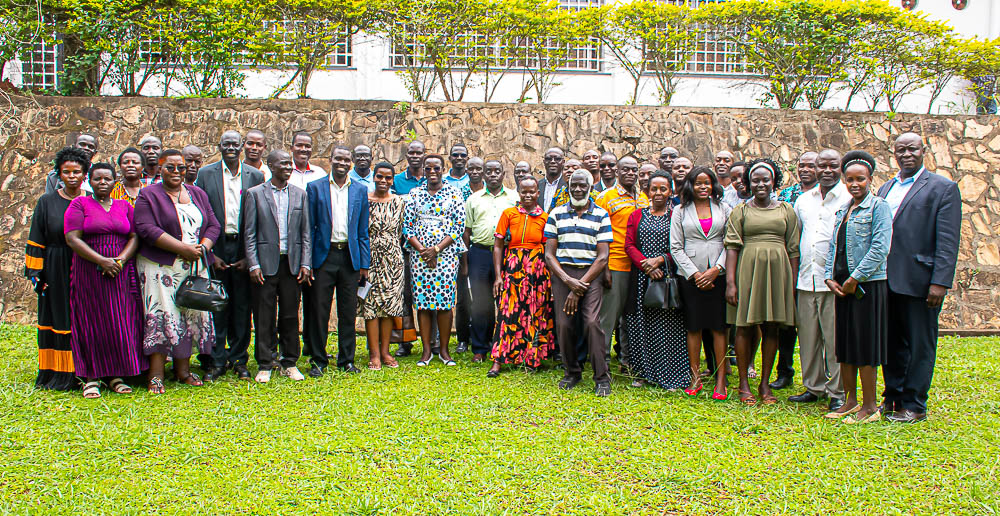
The National Crop Resources Research Institute (NaCRRI) hosted a two-day inception meeting on March 27–28, 2025, to officially launch the Building Equitable Climate-Resilient African Bean and Insect Sectors (BRAINS) project. The initiative aims to advance sustainable bean and insect farming as a pathway to enhanced food security and economic development in Uganda.

The project brings together a diverse network of stakeholders, including the National Agricultural Research Organization (NARO)–NaCRRI, the Alliance of Bioversity and CIAT, Kyambogo University, local government representatives, private sector partners, and farmers from four key districts: Soroti, Kaberamaido, Isingiro, and Mayuge.

Dr. Gabriel Ddamulira, speaking on behalf of the Director of Research at NaCRRI, officially opened the meeting by underscoring the importance of climate-smart agricultural innovations. “As NARO, our mission is to boost productivity while addressing the growing challenges of climate change. We must explore market opportunities and value addition to ensure both economic growth and food security,” he emphasized.

Project Principal Investigator Dr. Pamela Paparu highlighted the regional scope of the initiative, noting its implementation across 15 sub-Saharan African countries. “Uganda is fortunate to be part of this effort. The BRAINS project will empower farmers, particularly youth and women—with the knowledge and skills needed to build sustainable, climate-resilient livelihoods,” she said.

The meeting featured interactive focus group discussions and expert presentations on practical strategies to improve resilience among smallholder farmers. Key topics included the use of climate information in agricultural planning, agricultural insurance, access to quality agro-inputs, and innovative solutions such as using black soldier flies to produce organic fertilizer.

 A farmer representative from Soroti voiced optimism about the project’s potential impact: “Beans are a staple in our community. With NARO’s support in providing weather guidance and certified seeds, we believe we can increase our yields and sustain our production.”

As the meeting concluded, stakeholders agreed on concrete next steps, including ongoing farmer training, improved market linkages, and strengthened partnerships to ensure long-term project sustainability. The BRAINS project is poised to be a transformative force in Uganda’s climate-smart agriculture landscape, providing a robust framework for food security and economic empowerment.

TAGGED:General News
Share This Article
Facebook Twitter Copy Link
Leave a comment

Leave a Reply Cancel reply

Your email address will not be published. Required fields are marked *

Recent Posts

  • NACORI DRIVING UGANDA’S COFFEE FUTURE FROM SCIENCE TO THE FARMER
  • Northern Uganda Farmers Urged to Embrace Research-Driven Technologies
  • Is kisansa coffee a ‘silver bullet’ to climate change challenges?
  • Inside Uganda’s Scientific Race to develop drought-resilient coffee
  • How Uganda’s NaCORI is redefining the future of coffee farming

Recent Comments

No comments to show.

You Might Also Like ↷

NACORI DRIVING UGANDA’S COFFEE FUTURE FROM SCIENCE TO THE FARMER

April 14, 2026

Northern Uganda Farmers Urged to Embrace Research-Driven Technologies

March 30, 2026

A New Root for Uganda: NaCRRI’s Trailblazing Yam Research

February 24, 2026

A Decade in the Making: NaCRRI Officially Releases Breakthrough Purple-Fleshed Sweet Potato Varieties

February 23, 2026
  • Advertise with us
  • Newsletters
  • Complaint
  • Deal
Stay tuned for a blend of captivating content that not only informs but also inspires you to navigate the ever-evolving landscape of technology, marketing, and market trends!
News
  • NaCCRI
  • NaCORRI
  • NaFIRRI
  • NaFORRI
  • NaLIRRI
  • NARL
  • NARO
  • NaSARRI
  • AbiZARDI
  • BugiZARDI
  • BuZARDI
  • KaZARDI
  • MbaZARDI
  • MuZARDI
  • NabuinZARDI
  • NgettaZARDI
  • RwebZARDI
5.2kFollowersLike
18.8kFollowersFollow
15.8kSubscribersSubscribe
Copyright © National Agricultural Research Organisation – NARO