
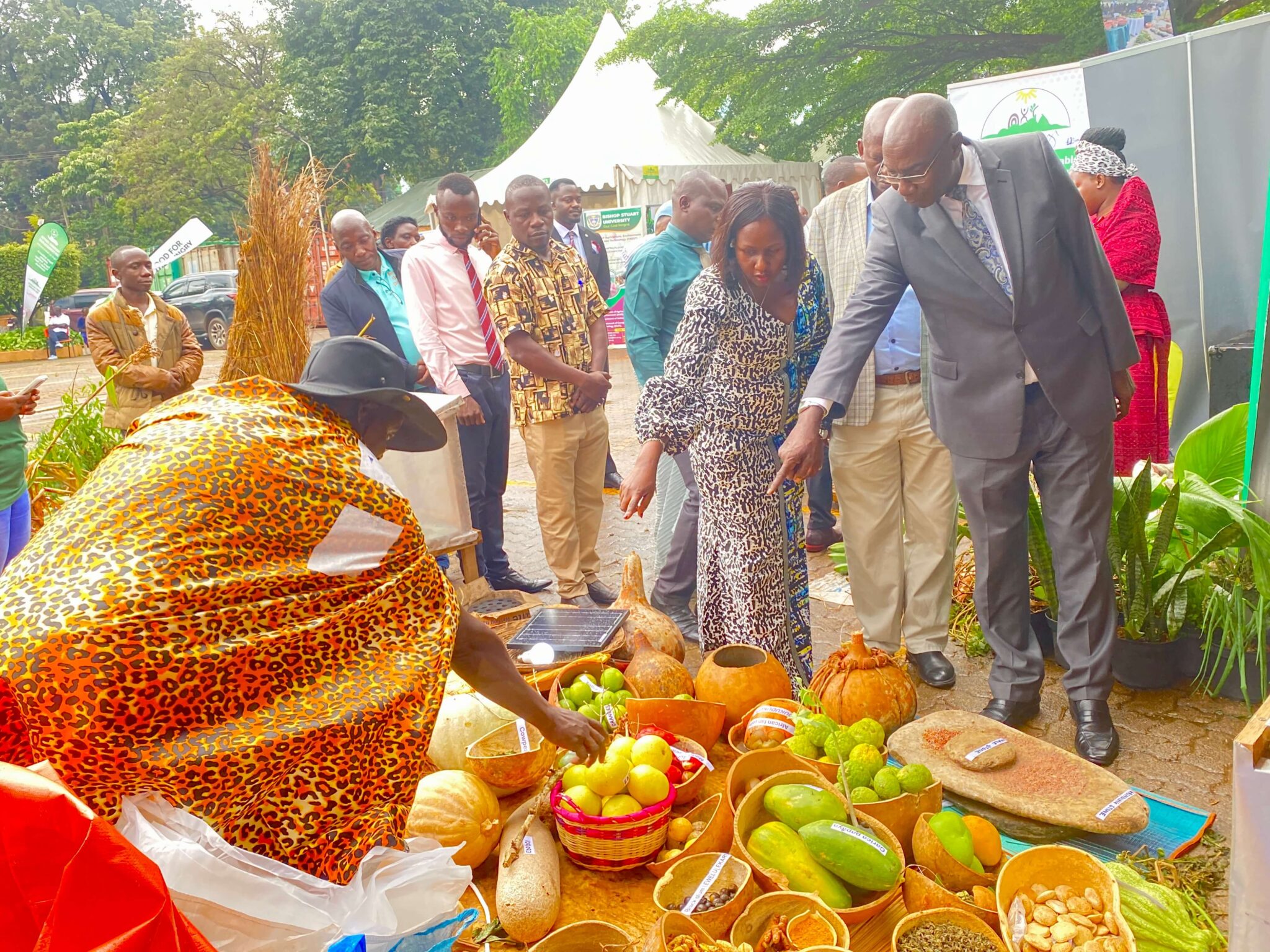

Uganda’s indigenous seeds and traditional foods face increasing threats, prompting stakeholders to call for stronger conservation efforts, increased investment in farmer-managed seed systems, and policies that protect the country’s rich agricultural heritage. The call was made during the opening session of the 16th Annual Indigenous and Traditional Seed and Food Festival on 29 October 2026 at Hotel Africana in Kampala. The two-day event was held under the theme, “Our Seeds, Our Food, Our Heritage: Cultivating Climate Resilience through Culture and Tradition,” as part of the 2026 Agroecology Week of Action. The festival brought together legislators, agricultural experts, development partners, farmers, cultural leaders and representatives of Participatory Ecological Land Use Management (PELUM) Uganda member organisations to celebrate indigenous seeds and traditional foods and promote their conservation and use.
Addressing participants, PELUM Uganda Country Coordinator Ms Josephine Akia Luyimbazi expressed concern over the continued loss of indigenous seeds and urged stakeholders to take collective responsibility for protecting the country’s seed heritage and preserving traditional food practices.
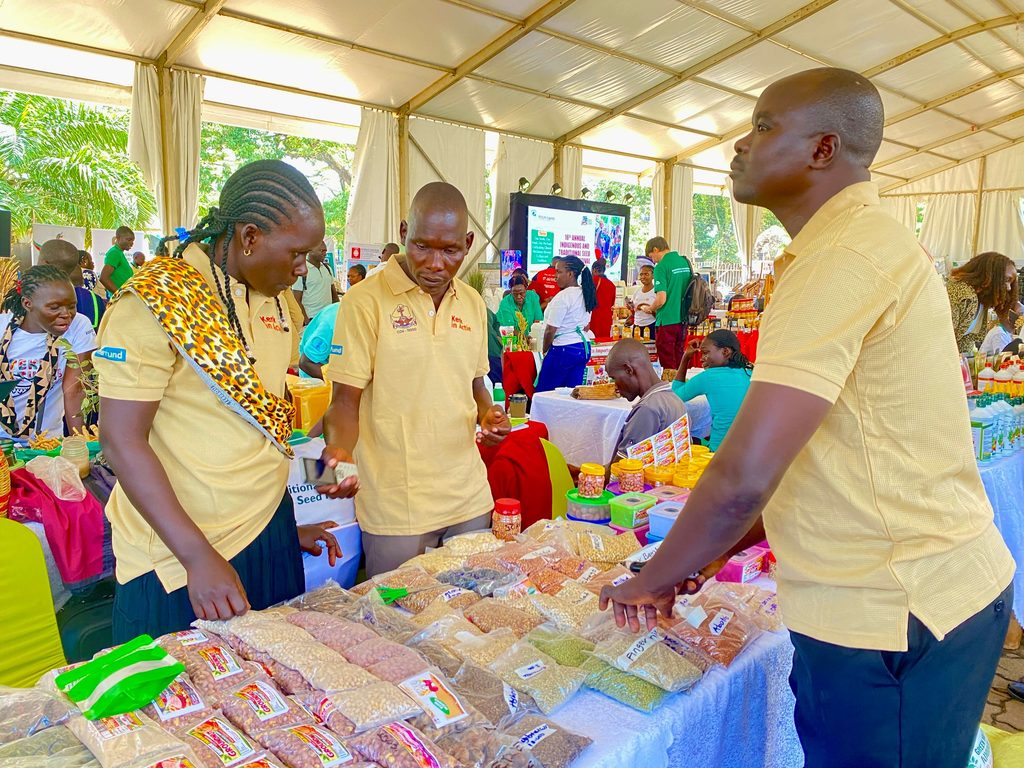
“We all know that our seed is increasingly diminishing. Let’s protect our indigenous seeds, food heritage and keep our traditions alive for generations to come,” she urged. Ms Luyimbazi recognised the National Semi-Arid Resources Research Institute (NaSARRI) for its partnership with PELUM Uganda in strengthening farmer-managed seed systems. As part of this collaboration, 11 Farmer Field Schools supported by NaSARRI under the Rooted in Diversity Project showcased indigenous seeds and value-added products, including millet, groundnuts, simsim, turmeric and other traditional crops. The exhibition demonstrated the contribution of farmer-led initiatives to conserving crop diversity and promoting the use of locally adapted crops.
PELUM Uganda Board Chair, Mr Edward Mukiibi, emphasised the critical role of smallholder farmers in safeguarding the country’s food systems, noting that they produce approximately 95 per cent of Uganda’s food. He observed that the festival was taking place against a backdrop of growing challenges, including global conflicts, climate change, unpredictable weather patterns, shifting seasons, food insecurity and the use of hazardous pesticides that threaten ecosystems. Mr Mukiibi noted that indigenous seeds and traditional foods displayed at the festival offer important opportunities for promoting sustainable diets, improving nutrition and strengthening food security. He explained that many traditional crop varieties are adapted to local growing conditions, making them valuable in helping farming communities cope with changing climatic conditions. He called on stakeholders to make practical commitments to support the conservation and promotion of indigenous seeds and traditional foods beyond the festival.
The Secretary General of the Parliamentary Alliance on Food and Nutritional Security, Hon. Brenda Nabukenya, called for stronger support for community seed banks, participatory plant breeding and research that responds to farmers’ needs. Hon. Nabukenya, also the Woman Member of Parliament for Luweero District, highlighted the importance of supportive policies to protect farmers’ access to and management of seeds. She cited the Seed and Plant Act, 2006, which regulates plant breeding, variety release, seed multiplication, quality assurance, and marketing. Hon. Nabukenya called on Parliament to strengthen its oversight role and use its budget appropriation powers to advocate for and allocate more resources toward agroecology and farmer-managed seed systems.
The Guest of Honour, the Prime Minister (Katikkiro) of the Buganda Kingdom, Owek. Charles Peter Mayiga, was represented by the Kingdom’s Minister of Agriculture, Trade, Cooperatives and Fisheries, Owek. Amiisi Kakomo. He reaffirmed the Kingdom’s commitment to food security, environmental conservation and improving household incomes. He encouraged farmers to grow at least two traditional crops in their gardens to promote crop diversity and preserve traditional food varieties. Owek. Kakomo also advised farmers to organise themselves into local cooperatives to strengthen their bargaining power, access wider markets and secure better prices for their produce. He noted that sustainable agricultural production should go hand in hand with sound economic organisation to ensure that farmers benefit from their efforts. During a guided tour of the exhibition, he commended exhibitors for going beyond producing raw agricultural products and encouraged entrepreneurs, particularly young people, to explore opportunities in food processing and value addition.
The festival underscored the importance of protecting indigenous seeds and traditional foods not only as part of Uganda’s cultural heritage but also as valuable resources for strengthening food security, improving household incomes and building resilient farming communities.