
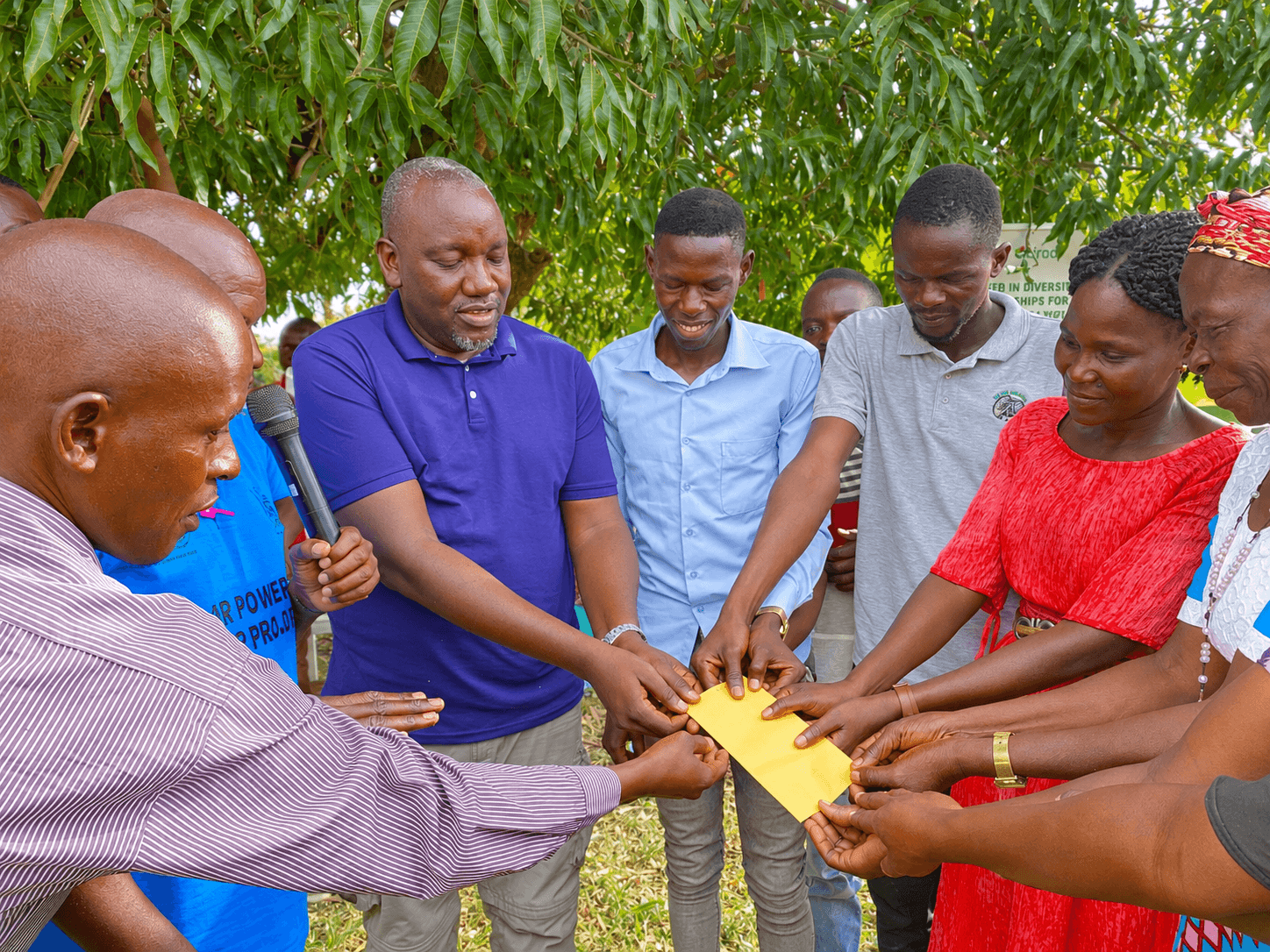

Farmers in Kalaki District will benefit from improved access to quality seeds, greater crop diversity, and better household incomes following the launch of the Bululu Community Seed Bank in Bululu Sub-county. The facility was officially launched on 20 October 2026 during a Seed Diversity Fair held in Amukurat Village, Kadie Parish, under the Rooted in Diversity (RiD): Partnership for Food Security and Livelihoods project. Participatory Ecological Land Use Management (PELUM) Uganda, the National Semi-Arid Resources Research Institute (NaSARRI), the Church of Uganda, Teso Dioceses Development Organisation (TEDDO), and local stakeholders implement the project. The seed bank is expected to provide farmers with a reliable source of quality planting materials, support the conservation of local crop varieties and strengthen community-managed seed systems.
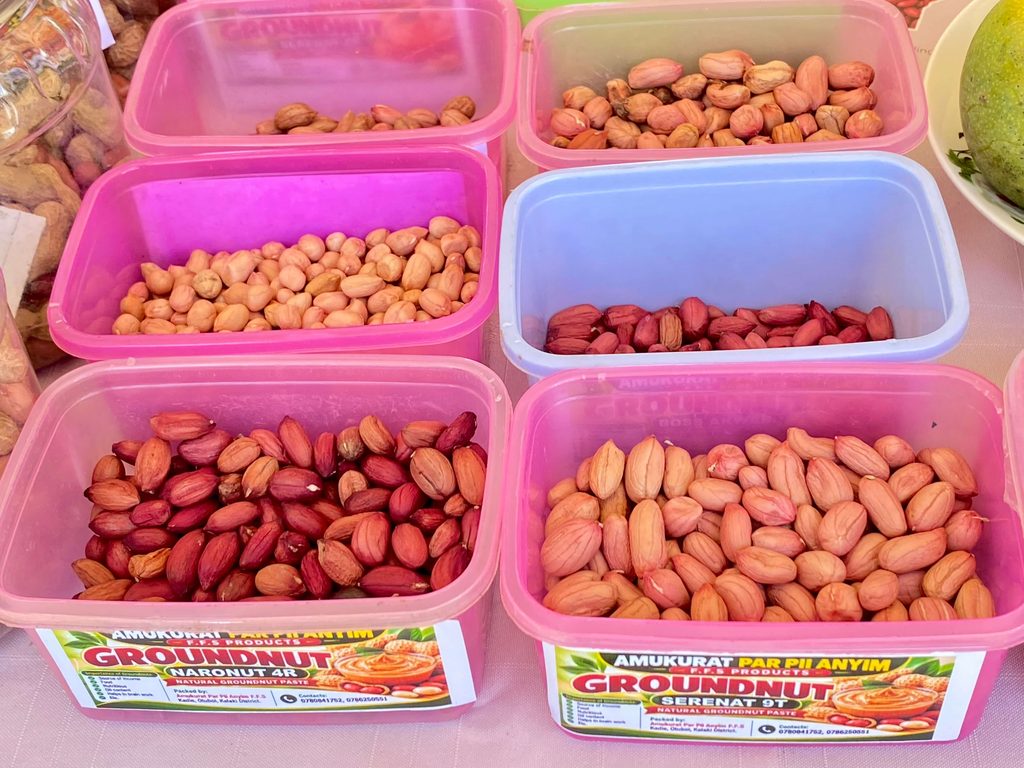
During the fair, NaSARRI and supported Farmer Field Schools (FFS) showcased resilient crop varieties suited to the region’s semi-arid conditions. These included NAROSORG sorghum, NAROMIL finger millet, NAROGRAM cowpea, Sesim simsim, Sunfola sunflower, SERENUT and NARONUT groundnuts, and pearl millet. These varieties offer farmers opportunities to improve production, diversify their diets and cope better with challenging growing conditions. Farmers also demonstrated practical ways to add value to their harvests and increase household incomes. Exhibitions featured processed products such as fried groundnuts, peanut butter, nutrient-rich composite flour and traditional dishes enriched with simsim paste. The displays showed how simple processing techniques can turn farm produce into higher-value products that fetch better prices in local markets.
Speaking at the launch, Mr Egayu Moses, Executive Director of the Church of Uganda’s TEDDO, commended farmers in Bululu Sub-county for their dedication to conserving and multiplying seeds. He encouraged them to share planting materials with neighbouring communities to strengthen local seed networks. The Chairperson of Bululu Sub-county, Mr Emunyu Raymond, urged farmers to make full use of the seed bank’s bulk storage capacity. He noted that collective storage and marketing would enable farmers to negotiate better prices for their produce instead of selling hastily to middlemen at lower prices. Mr Acidri Robert, the Project Manager, said the initiative focuses on smallholder farmers because farmer-managed seed systems account for about 90 per cent of seed systems in Africa but continue to receive limited attention and support. He called on the Kalaki District Production Department to include community seed banks and seed diversity fairs in the district budget. He also encouraged farmers to engage their Members of Parliament to advocate for policies that recognise and support informal seed systems.
The Director of Research at NaSARRI, Dr Kalule Okello David, emphasised the importance of conserving genetic resources and ensuring farmers have access to suitable seed varieties. “Seed is the basic foundation of our existence, both today and in the future. Without seed, we can’t survive,” he said. Dr Kalule noted that the Seeds (Quality Declared Seed) Regulations, 2020, recognise farmers’ importance in the seed system. He reaffirmed NaSARRI’s commitment to developing farmer-preferred crop varieties and strengthening farmers’ participation in agricultural research. He also urged the management of the Bululu Community Seed Bank to maintain proper records to ensure effective seed conservation, multiplication and distribution. The Chief Guest, Kalaki District LCV Chairperson, Mr Oriada Moses, applauded the project implementation team for selecting the district to benefit from the initiative. He also thanked the Norwegian Agency for Development Cooperation (NORAD) for funding the construction of the seed bank and assured stakeholders of the district technical team’s commitment to supporting its operations.
As part of the Seed Diversity Fair, participating Farmer Field Schools were assessed on seed and food diversity, knowledge of local seeds and foods, value addition, presentation confidence and their overall use of local seeds and foods. Pur Bara FFS emerged as the best exhibitor, followed by Amukurat Par Pii Anyim FFS and Oyalem “B” FFS in second and third positions, respectively. The three groups received cash prizes and were selected to represent the Teso sub-region at the 16th Annual Indigenous and Traditional Seed and Food Festival, scheduled for late October 2026 in Kampala.
The Bululu Community Seed Bank marks an important milestone in strengthening farmer-managed seed systems, conserving crop diversity and improving farmers’ access to quality planting materials. Through collaboration among researchers, farmers, local leaders and development partners, the initiative aims to build resilient farming communities, enhance food security and improve livelihoods in Uganda’s semi-arid areas.