

Farmers in the Teso sub-region have been encouraged to embrace improved agricultural technologies, adopt better farm management practices and explore available financing opportunities to increase production, improve their livelihoods and make farming more profitable.
The Director of the National Semi-Arid Resources Research Institute (NaSARRI), Dr Kalule Okello David, made the appeal while welcoming participants to the Seeds of Gold Farm Clinic held on Saturday, 14 November 2026, at the Institute in Serere District. The event was organised by NaSARRI in partnership with Nation Media Group (NMG) under the theme “Climate-Smart Farming for Bumper Harvests.”
Dr Kalule observed that Uganda has considerable agricultural research knowledge and technologies, but a major challenge remains in ensuring that these research outputs reach farmers and are put into use.
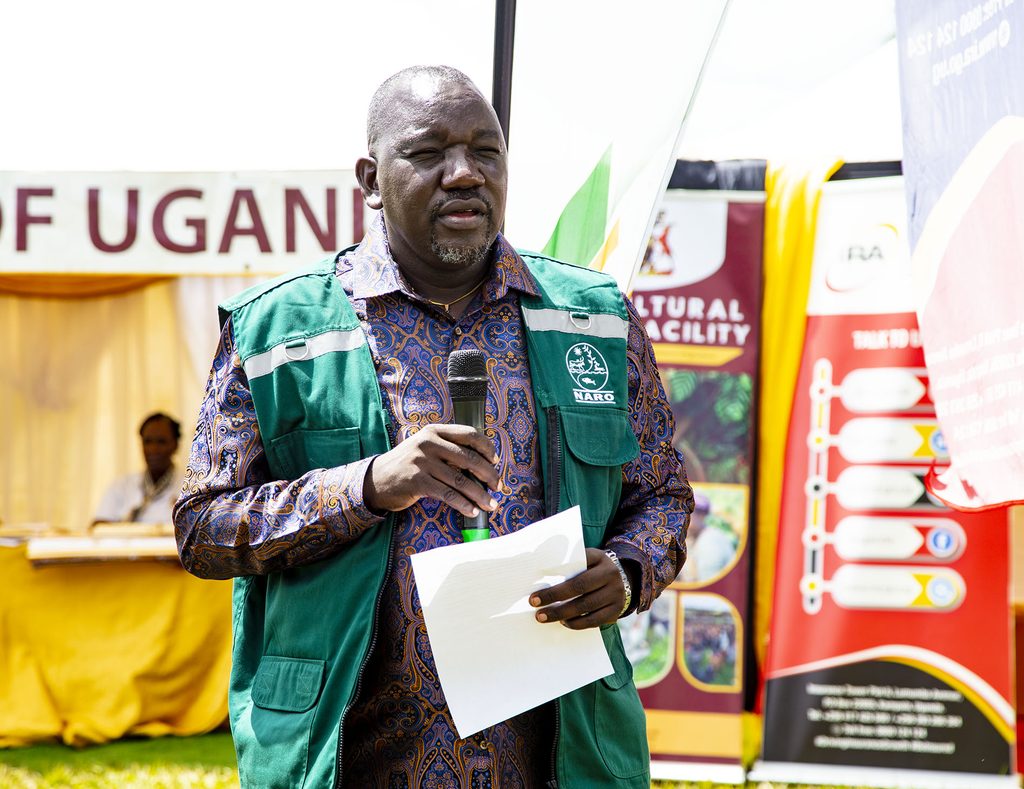
“Uganda does not lack agricultural potential, nor does it lack scientific knowledge. Our greatest challenge is connecting the knowledge and technologies we generate with farmers, financing mechanisms and markets that can turn them into wealth. At NaSARRI, we are committed to closing this gap,” he said.
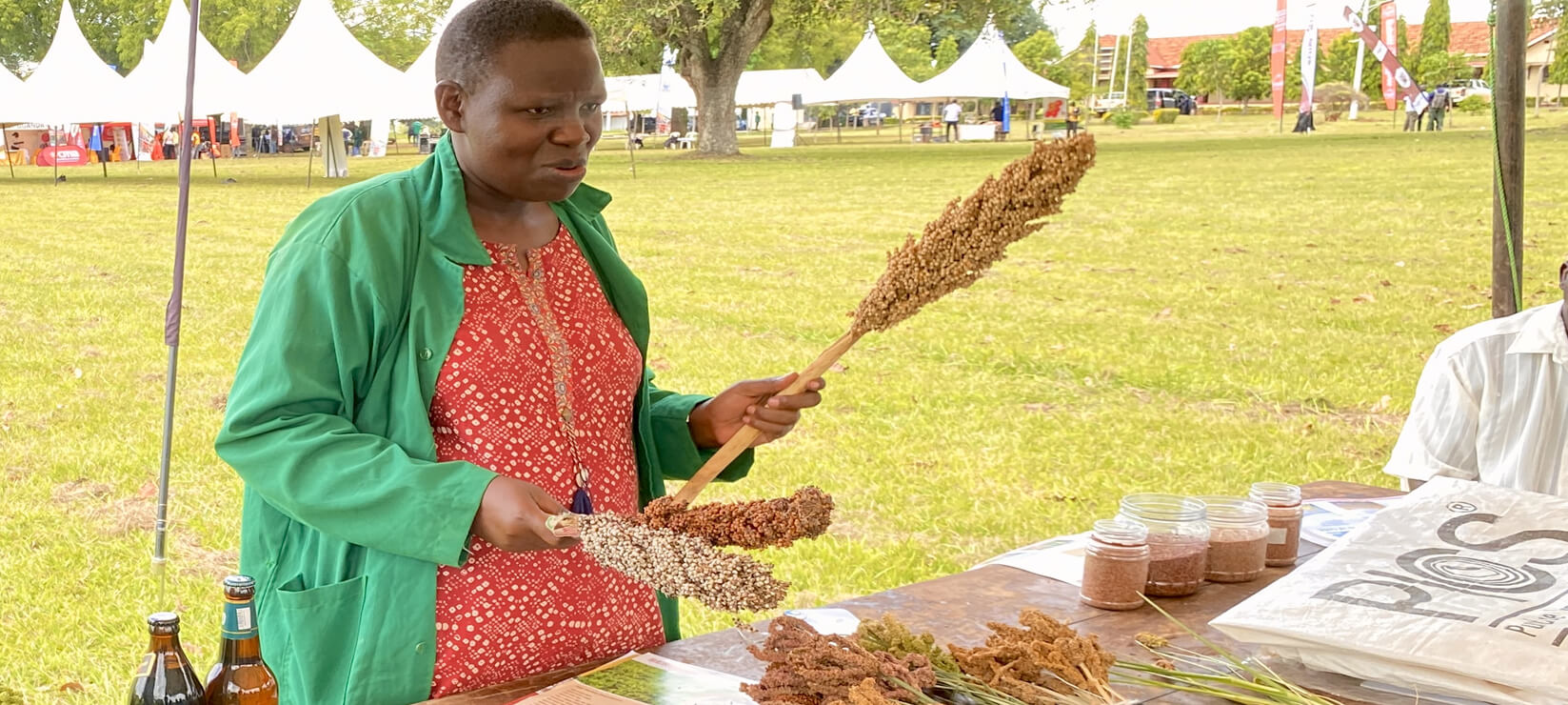
He explained that NaSARRI develops agricultural technologies suited to the needs and conditions of dryland communities. These include improved cereal crops such as finger millet, sorghum, foxtail millet, and pearl millet; oil crops such as groundnuts, simsim, and sunflower; and legumes including green gram, cowpea, and pigeon pea. The Institute also conducts research on livestock production under dryland conditions and cotton, a traditional cash crop. Through improved varieties, climate-smart production practices and better management technologies, Dr Kalule said the institute seeks to increase agricultural productivity, strengthen resilience, improve household food security and create commercially viable agribusiness opportunities. He also noted that these strategic agricultural commodities have significant potential to support agro-industrial development, create jobs, and drive national economic growth.
Participants also had an opportunity to experience some of NaSARRI’s improved crop varieties through food demonstrations featuring porridge prepared from NAROMILL finger millet and NAROSORG sorghum, alongside fried groundnuts. The demonstrations showcased the potential of improved crop varieties for food preparation and consumption, while encouraging farmers to embrace their use.
Dr Kalule emphasised that developing agricultural technologies is only the beginning. Their true value is realised when they reach farmers, are adopted and translate into improved productivity, incomes and livelihoods.
Let us move from research to innovation, from innovation to adoption, and from adoption to wealth creation. Together, let us turn agricultural science into tangible impact for farmers and national development,” he said.
Dr Kalule commended NMG for organising the Farm Clinic and urged farmers to maintain proper farm records, invest in quality inputs, minimise post-harvest losses, and take advantage of government agricultural programmes and available financing opportunities to strengthen their farming businesses.
Mr Okwir Peter, who is in charge of Partnerships and Innovation at NMG, reaffirmed NMG’s commitment to supporting farmers through its partnership with the National Agricultural Research Organisation (NARO), which began 12 years ago. He described agriculture as a key pillar of Uganda’s economy and noted that the partnership seeks to demonstrate how farming, when managed as a business and supported by modern technologies, can generate income and transform livelihoods. Mr Okwir encouraged farmers to continue seeking information on improved farming methods.
Representing the NARO Director General, Mr Frank Mugabi, Senior Communication Officer at the NARO Secretariat, said that NARO conducts research to address the challenges faced by farmers. However, he noted that a significant gap remains between crop yields achieved at research stations and those realised on farmers’ fields. To help close this gap, he urged farmers to plant recommended crop varieties and follow good agricultural practices to improve productivity and benefit from available research technologies.
Mr Augustus Mucunguzi from the Administered Funds Department at the Bank of Uganda encouraged eligible farmers to access affordable loans through the Agricultural Credit Facility and Small Business Fund to expand their agricultural enterprises. He explained that the loans are available through commercial banks, providing farmers with an opportunity to access financing for their businesses.
The Resident District Commissioner of Serere District, Mr John Stephen Ekomu, commended NaSARRI for its contributions to agricultural research and development. He pledged to address the problem of livestock straying onto the Institute’s land and destroying research experiments, which undermines efforts to develop improved agricultural technologies.
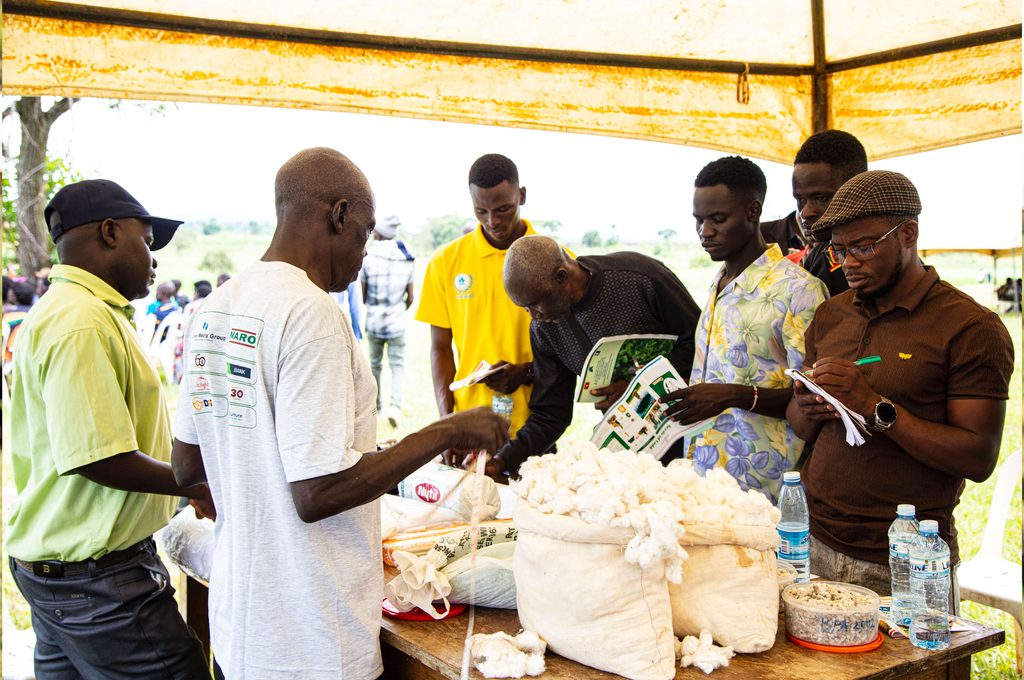
Through the partnership between NaSARRI and NMG, the Seeds of Gold Farm Clinic provided a platform for farmers to interact with agricultural researchers, input suppliers and financial institutions. The initiative highlighted the importance of connecting research with practical farming solutions, markets and financing to improve agricultural productivity, strengthen household incomes and build resilience to climate change.