By using this site, you agree to the Privacy Policy and Terms of Use.
Accept
News
Friday, Jun 5, 2026
  • NARL
  • NaCORI
  • NaCRRI
  • NaSARRI
  • NaFIRRI
  • NaFORRI
  • NaLIRRI
  • HOME
  • INSTITUTES
    • SECRETARIAT
    • NaCCRI News
    • NaCORI News
    • NaFIRRI News
    • NaFORRI News
    • NaLIRRI News
    • NARL News
    • NaSARRI News
    • AbiZARDI News
    • BuZARDI News
    • BugiZARDI News
    • KaZARDI News
    • MbaZARDI News
    • MuZARDI News
    • NabuinZARDI News
    • NgettaZARDI News
    • RwebZARDI News
  • CASH CROPS
    • Cocoa
    • Coffee
    • Cotton
  • CEREALS
    • Millet
    • Sorghum
    • Maize
    • Rice
  • OTHERS
    • Beans
    • Banana
    • Groundnuts
    • Vegetables
    • Sunflower
    • Soya Beans
    • Simsim
    • Palm Oil
    • Forestry
  • LIVESTOCK
    • Dairy
    • Beef
    • Poultry
    • Aquaculture
    • Vaccinology
  • ROOT CROPS
    • Cassava
    • Irish Potatoe
    • Sweet Potatoe
  • TECHNOLOGIES
Reading: NaLIRRI initiates work on developing a dual vaccine for Lumpy Skin Disease and Foot-and-Mouth Disease
Font ResizerAa
NewsNews
  • Home
  • Blog Index
  • Contact
Search
  • Pages
    • Home
    • Contact Us
    • Blog Index
    • 404 Page
    • Search Page
  • Categories

Trending →

Researchers embark on a journey to tap the Gold in Herbs and Spices

By Maria Nampeera June 3, 2026

MUZARDI and University of Burundi Collaborate to Strengthen Coordination among Actors along Chicken Value Chain

By Dixson Muyomba June 3, 2026

Promoting Agroforestry Technologies for Climate-Resilience in Cattle Corridor Districts of the Lake Victoria Crescent Agro-Ecological Zone

By Maria Nampeera June 3, 2026

Utilizing Digital tools in dissemination of FAO climate change adaptation practices

By Maria Nampeera June 3, 2026

Bunyoro turns to bee forage restoration for enhancing climate change resilience and livelihood gains

By Abor Bob May 25, 2026
Follow US
© Foxiz News Network. Ruby Design Company. All Rights Reserved.
News > Blog > General News > NaLIRRI initiates work on developing a dual vaccine for Lumpy Skin Disease and Foot-and-Mouth Disease
General NewsNaLIRRI NewsSecretariat News

NaLIRRI initiates work on developing a dual vaccine for Lumpy Skin Disease and Foot-and-Mouth Disease

Winnie Nanteza
Last updated: May 20, 2024 12:20 pm
By Winnie Nanteza
Share
2 Min Read
SHARE

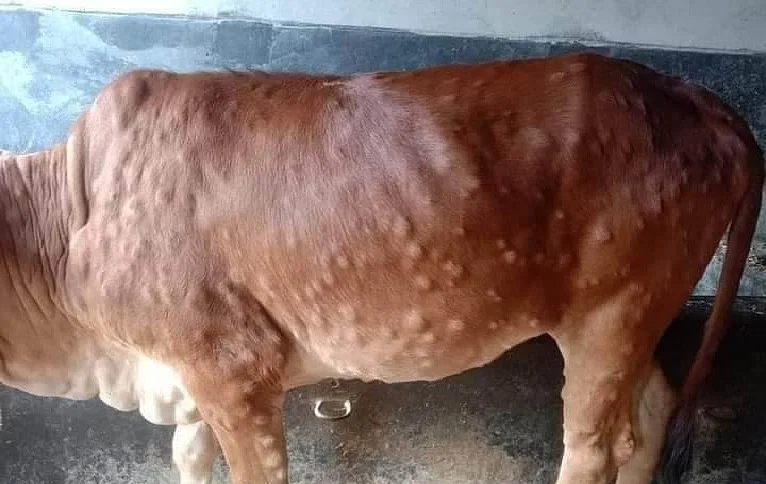
Scientists at NaLIRRI, have received funding from Science, Technology & Innovation-Office of the President to embark on a groundbreaking project aimed at developing a dual vaccine for two of Uganda’s most debilitating livestock diseases – Lumpy Skin Disease (LSD) and Foot-and-Mouth Disease (FMD).

Dr. Tonny Kabuuka, the Project Principal Investigator, expressed the significance of this initiative, stating, “Our goal is to revolutionize animal disease control in Uganda by producing a locally-developed vaccine that effectively combats both LSD and FMD.” This project comes as a response to Uganda’s heavy reliance on imported vaccines, which often fall short in terms of supply and efficacy.

Lumpy Skin Disease, caused by the LSD virus, poses a significant threat to Uganda’s cattle population, with annual outbreaks wreaking havoc on livestock and livelihoods. Dr. Kabuuka explained, “By leveraging the endemic nature of LSD in Uganda, we aim to utilize the virus as a vector to deliver protective proteins against FMD, thereby creating a dual-purpose vaccine.”

Foot-and-Mouth Disease, another major concern for the country’s livestock industry, has been a persistent challenge due to the diversity of virus serotypes circulating in Uganda. Dr. Kabuuka highlighted the need for improved diagnosis and control measures, stating, “Our project aims to address the gaps in FMD control by developing a vaccine that matches the circulating virus strains, thus reducing the risk of mismatches and costly importations.”

The objectives of the project encompass a comprehensive approach, ranging from virus collection and sequencing to in-vitro and in-vivo testing of the vaccine candidates. Dr. Kabuuka emphasized, “Through rigorous scientific research and testing, we aim to ensure that our dual vaccine is not only effective but also safe for use in Uganda’s livestock population.”

The successful development of this dual vaccine holds immense promise for Uganda’s agricultural sector, offering a sustainable solution to disease control while promoting import substitution and job creation.

TAGGED:Featured
Share This Article
Facebook Twitter Copy Link
Leave a comment

Leave a Reply Cancel reply

Your email address will not be published. Required fields are marked *

Recent Posts

  • Researchers embark on a journey to tap the Gold in Herbs and Spices
  • MUZARDI and University of Burundi Collaborate to Strengthen Coordination among Actors along Chicken Value Chain
  • Promoting Agroforestry Technologies for Climate-Resilience in Cattle Corridor Districts of the Lake Victoria Crescent Agro-Ecological Zone
  • Utilizing Digital tools in dissemination of FAO climate change adaptation practices
  • Bunyoro turns to bee forage restoration for enhancing climate change resilience and livelihood gains

Recent Comments

No comments to show.

You Might Also Like ↷

Bunyoro turns to bee forage restoration for enhancing climate change resilience and livelihood gains

May 25, 2026

Research advances on the new Excelsa Coffee

May 19, 2026

NaSARRI Reviews Biofortification Project to Improve Nutrition and Livestock Productivity

May 7, 2026

Farmers Urged to Embrace Research-Driven Technologies and Invest for Sustainable Growth

May 7, 2026
  • Advertise with us
  • Newsletters
  • Complaint
  • Deal
Stay tuned for a blend of captivating content that not only informs but also inspires you to navigate the ever-evolving landscape of technology, marketing, and market trends!
News
  • NaCCRI
  • NaCORRI
  • NaFIRRI
  • NaFORRI
  • NaLIRRI
  • NARL
  • NARO
  • NaSARRI
  • AbiZARDI
  • BugiZARDI
  • BuZARDI
  • KaZARDI
  • MbaZARDI
  • MuZARDI
  • NabuinZARDI
  • NgettaZARDI
  • RwebZARDI
5.2kFollowersLike
18.8kFollowersFollow
15.8kSubscribersSubscribe
Copyright © National Agricultural Research Organisation – NARO